
A resort, a railway, and then the ferries
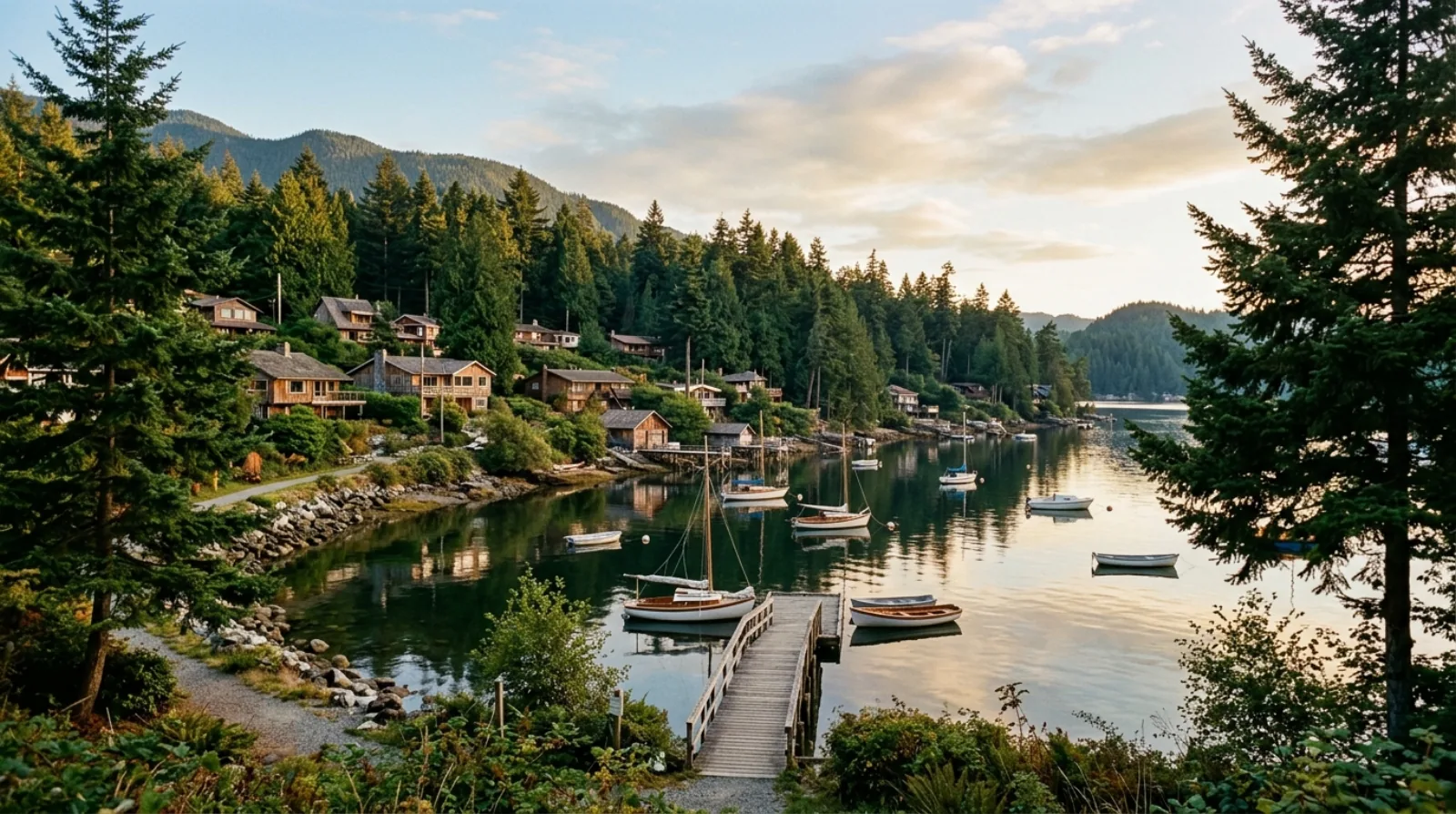
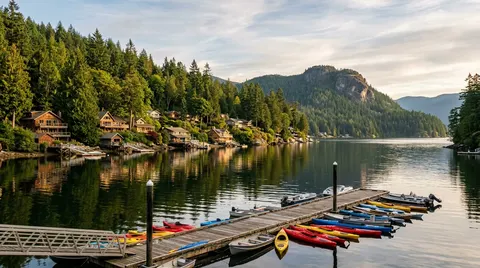
Horseshoe Bay was developed as a summer resort in 1909, and the Pacific Great Eastern Railway made it genuinely popular when service from North Vancouver reached Whytecliff in 1914. Sewell's Marina opened on the waterfront in 1931 and has been run by three generations of the Sewell family since. Then in 1951 the Black Ball Line opened the ferry terminal, and the village's future was set.
Today BC Ferries runs services from Horseshoe Bay to Vancouver Island, the Sunshine Coast, and Bowen Island. For homeowners that means an unusual arrangement: a quiet residential village that a few million travellers pass through every year. The cafes and pubs along the waterfront thrive on it. Anyone running a renovation has to work around it.
Building next to a ferry terminal
Construction logistics in Horseshoe Bay are unlike anywhere else in our service area. The terminal holds 598 parking stalls, and on summer sailing waits both the lot and the village streets fill completely. A drywall delivery scheduled at the wrong hour can sit in ferry traffic on the highway off-ramp, and street parking for trade vehicles near the village core is effectively gone on long weekends.
So we schedule against the sailing calendar. Deliveries land early morning on weekdays, big pours and crane lifts avoid summer Fridays entirely, and trades park at the house rather than gambling on street space. None of this is complicated. It just has to be somebody's job, and on our projects it is.
The flat village grid is actually generous to work on once you are in: straight streets, level lots, short carries. The winding roads above the bay are the opposite, with steep driveways and tight corners that can rule out full-size delivery trucks. We walk the route before we quote.
Cottages below, contemporaries above
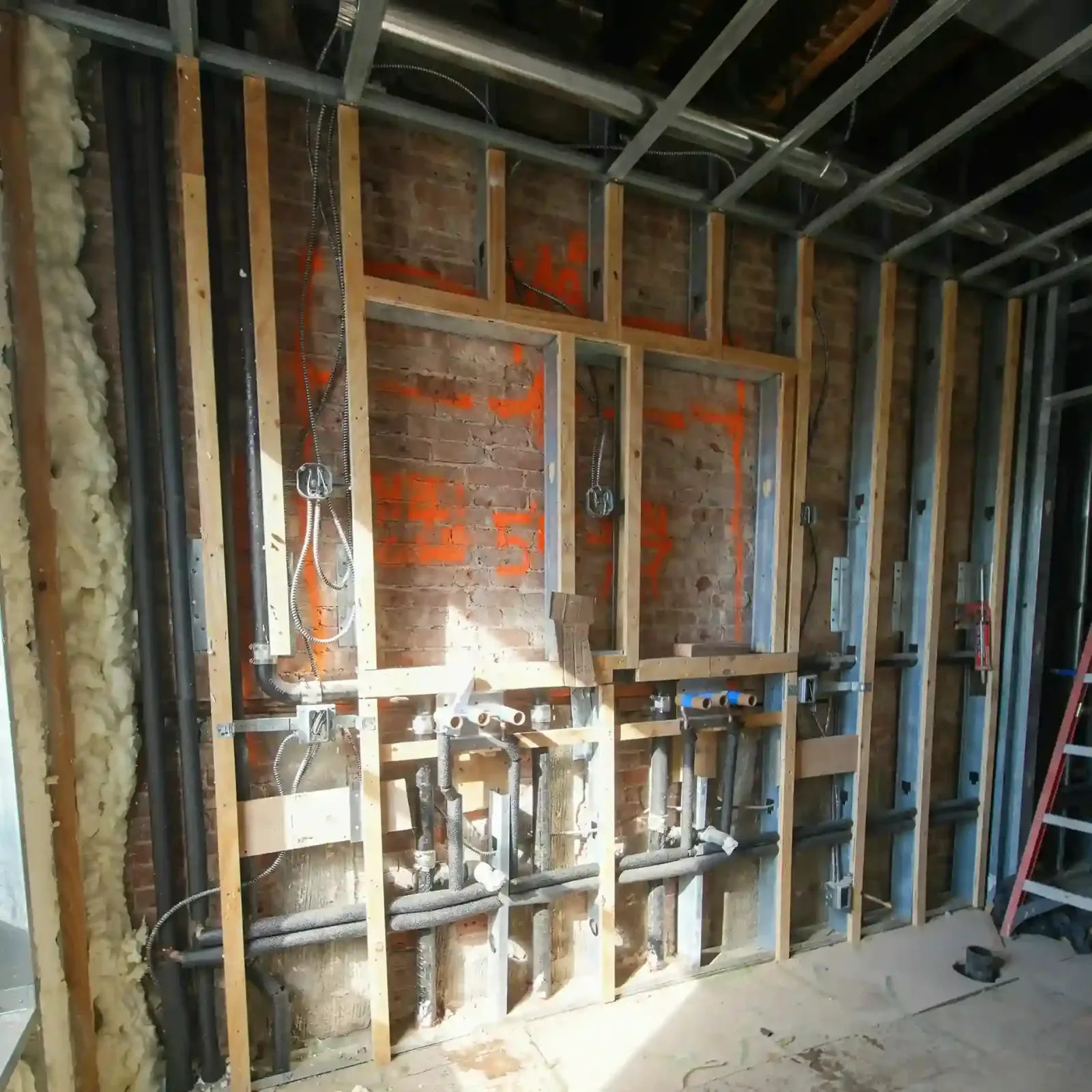
The lowest streets of Horseshoe Bay carry a fine grain of modest houses, many with summer-cottage DNA: built light, winterized later, added onto more than once. Opening one of these up is archaeology. We find undersized framing, mixed generations of wiring, and additions bearing on posts where footings should be. Priced honestly and sequenced properly, they convert into excellent small homes, and their walkable position in the village is impossible to replicate.
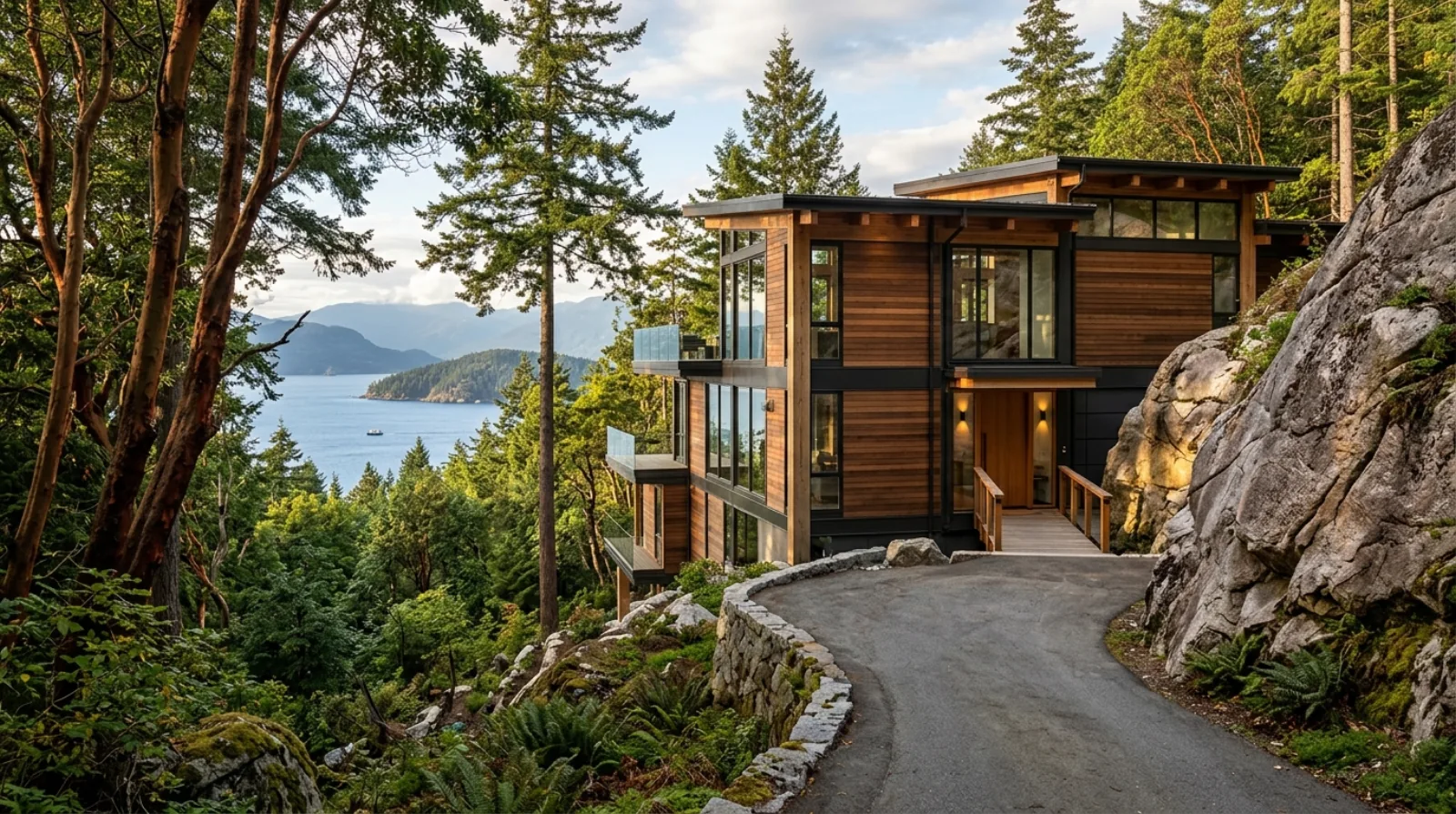
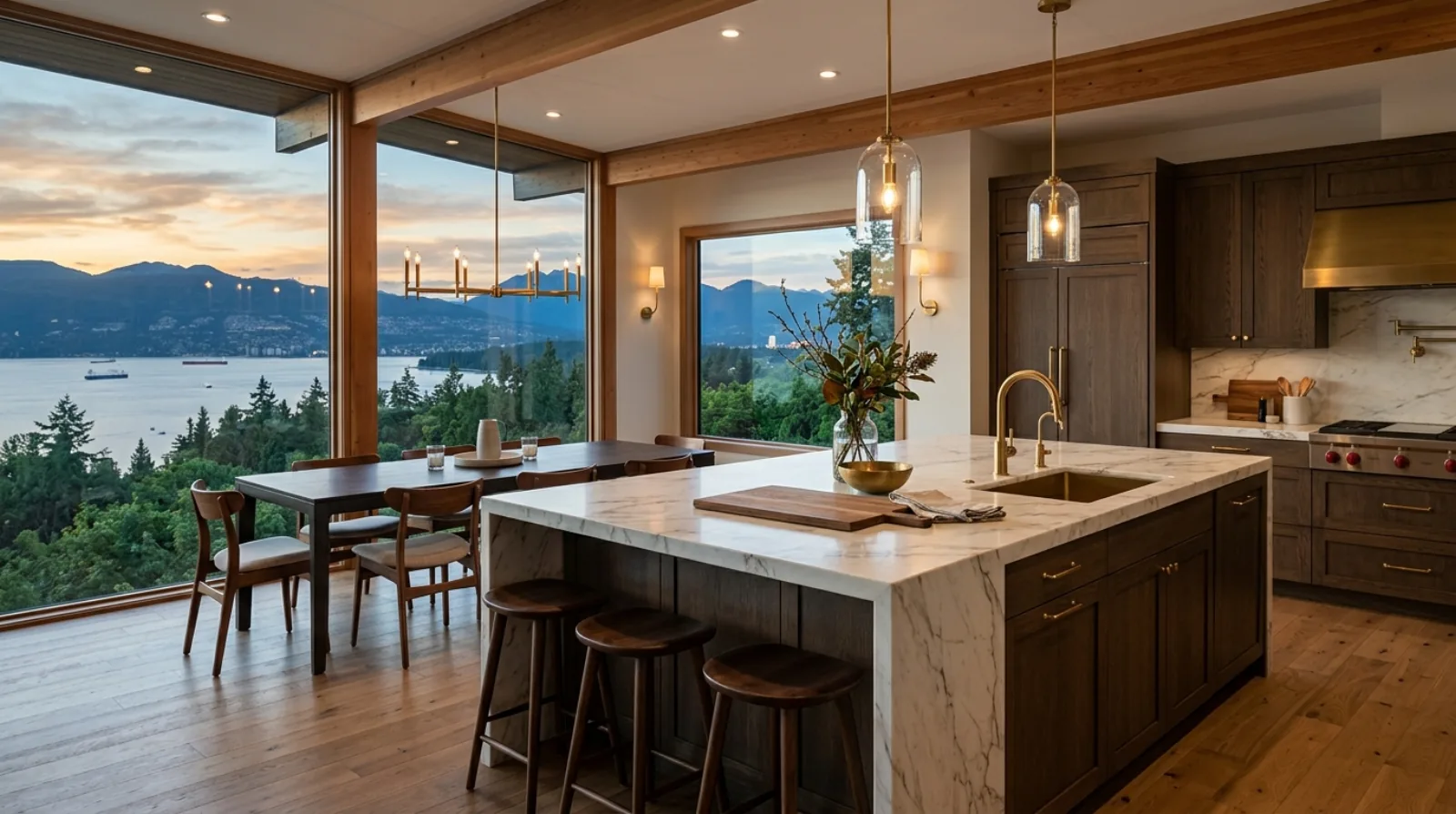
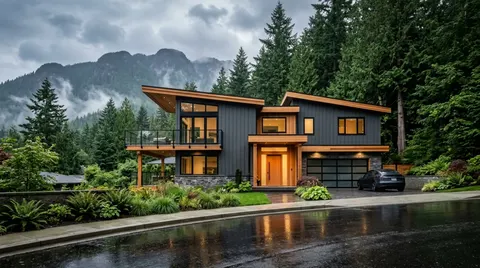
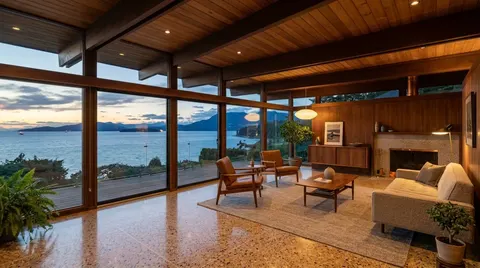
The roads climbing the slopes tell a different story. Lots up there came later and steeper, and the homes range from 1960s and 70s builds to strikingly contemporary architecture taking in the Howe Sound view. Renovations on the slope lean toward envelope and glazing work, deck and guardrail rebuilds over the water side, and interior reconfigurations that chase the view the original floor plan ignored.
Salt, wind, and weather off Howe Sound
Horseshoe Bay faces its weather directly. Winter outflow winds come down Howe Sound cold and hard, and the rain arrives sideways more often than homeowners expect. Salt air does here what it does in every coastal pocket of the North Shore: it corrodes standard galvanized fasteners, pits aluminum frames, and shortens the life of every exposed connection.
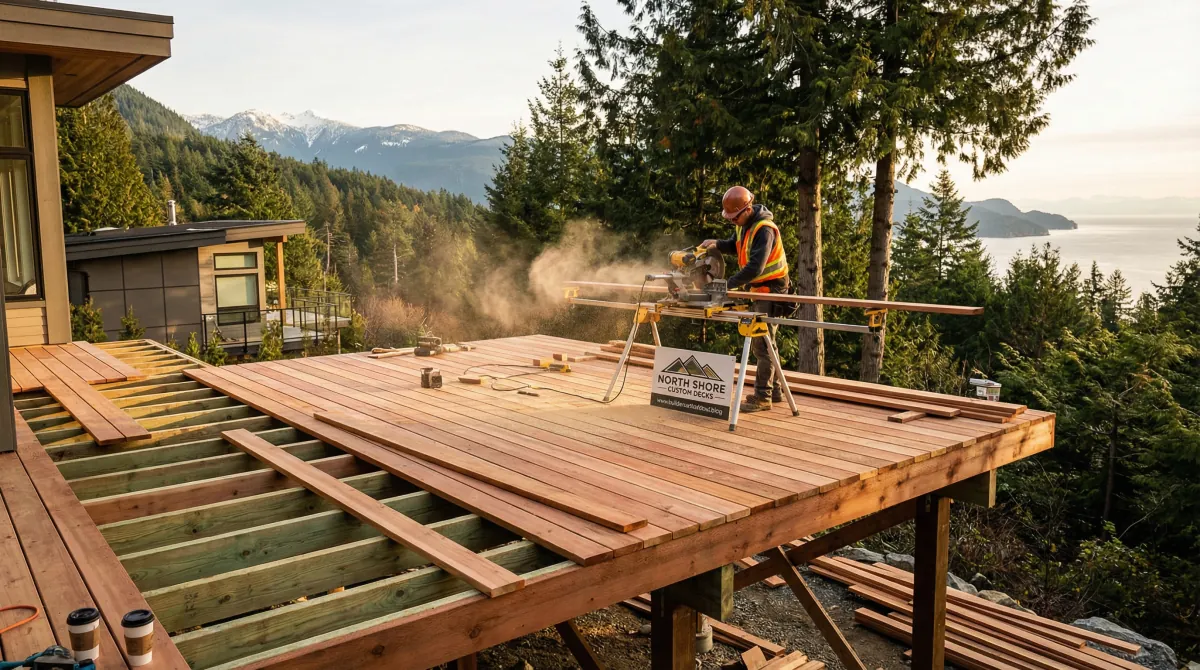
Our specification changes accordingly. Stainless fasteners on exposed work, marine-grade hardware, flashing profiles that shed wind-driven rain rather than relying on sealant, and rain screen assemblies behind new cladding as a matter of course. A deck and guardrail rebuild specified this way runs $50,000 to $140,000, and the difference between that and the cheaper version is whether you rebuild it again in twelve years.
Older services, and the 1971 sewer line
The western communities were late to get regional sewer service. The Gleneagles sanitary system, owned and operated by Metro Vancouver, was originally constructed around 1971 and serves Horseshoe Bay, Gleneagles, and Eagle Harbour, sending flow to the Lions Gate treatment plant. Homes here predating that era started life on septic, and while connections happened decades ago, the private side plumbing in an older cottage can still carry the original clay or cast iron.
We camera the sewer lateral on every older Horseshoe Bay renovation before finalizing scope. Replacing a failed lateral after the new bathroom is tiled is the expensive order of operations. Electrical tells a similar story: older village homes commonly carry 60-amp or 100-amp service that needs an upgrade to 200 amps once modern kitchens, heat pumps, or EV charging enter the plan.
Services in Horseshoe Bay
In Horseshoe Bay we handle whole-home renovations of older village cottages, kitchen and bathroom renovations, envelope, deck, and glazing work on hillside homes, and renovation design. The District has also drafted a local area plan for the village that contemplates infill and multi-unit housing forms, so if you are weighing a renovation against what your lot may allow in a few years, we can talk through both honestly.
Frequently asked questions
How does ferry traffic affect a renovation in Horseshoe Bay?
Ferry traffic shapes the delivery schedule more than anything else in Horseshoe Bay. On summer sailing waits the terminal's 598 stalls and the village streets fill completely, and a badly timed delivery sits in ferry queues at the highway off-ramp. We schedule deliveries early on weekdays, keep big pours and crane lifts off summer Fridays, and have trades park on site rather than on the street.
What are the older Horseshoe Bay village houses like inside the walls?
Many started as summer cottages from the resort era and were winterized and added onto over decades. Opening them up, we routinely find undersized framing, several generations of wiring, and additions bearing on posts rather than footings. They convert into excellent small homes, but the unknowns need honest pricing before work starts.
When did Horseshoe Bay get sewer service, and why does it matter for my renovation?
The Gleneagles sanitary system serving Horseshoe Bay, Gleneagles, and Eagle Harbour was originally constructed around 1971 and is run by Metro Vancouver. Homes older than that started on septic, and the private-side lateral in an older cottage can still be original clay or cast iron. We camera the lateral on every older home before finalizing scope, because replacing it after new finishes go in is the expensive order of operations.
What does a whole-home renovation cost in Horseshoe Bay?
A whole-home renovation in Horseshoe Bay runs $250 to $350 per square foot over 8 to 16 months, in line with West Vancouver generally. Cottage conversions carry the widest unknowns, and hillside homes add access and exposure costs. We walk the delivery route and check the lateral and electrical service before quoting.
Do hillside Horseshoe Bay homes have delivery access problems?
Often, yes. The winding roads above the bay have steep driveways and tight corners that can rule out full-size delivery trucks, so materials move in smaller loads or get lifted. The flat village grid below is the opposite: straight streets, level lots, and short carries. The two halves of the neighbourhood price differently for the same scope.
What does Howe Sound weather do to homes in Horseshoe Bay?
Winter outflow winds come down Howe Sound cold and strong, rain arrives wind-driven, and salt air corrodes standard galvanized fasteners and pits aluminum frames. On exposed work we specify stainless fasteners, marine-grade hardware, and flashing that sheds water mechanically rather than relying on sealant. Rain screen assemblies go behind any new cladding as a matter of course.
How much is a coastal deck rebuild in Horseshoe Bay?
A deck and guardrail rebuild with proper coastal specification runs $50,000 to $140,000 over 6 to 12 weeks in Horseshoe Bay. The range reflects size, height over the slope, and glazing in the guardrails. The marine-grade version costs more up front and is the reason the structure is not rebuilt again in twelve years.
Will my older Horseshoe Bay home need an electrical upgrade during renovation?
Probably. Older village homes commonly carry 60-amp or 100-amp service, and a modern kitchen, a heat pump, or EV charging pushes past what that can supply. A 200-amp service upgrade is a standard line in our older Horseshoe Bay scopes, and it is far cheaper done during renovation than retrofitted after.
Is Horseshoe Bay zoning changing?
The District of West Vancouver has drafted a local area plan for Horseshoe Bay that contemplates infill, multiplex, and townhouse forms to add housing around the village. It is planning work rather than construction on the ground, but if you are weighing a major renovation against what your lot might allow in a few years, it belongs in the conversation, and we will walk through both options.
Why does basement lowering cost so much in Horseshoe Bay?
Because the rock is close. Much of western West Vancouver sits on granite, and lowering a slab for ceiling height means underpinning into it, which is slow, loud, and priced accordingly. Finishing an already-dry basement at existing height runs $70 to $150 per square foot; the moment the slab drops, the number changes completely.