
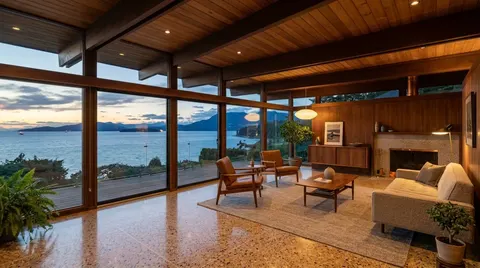

The Capilano building environment
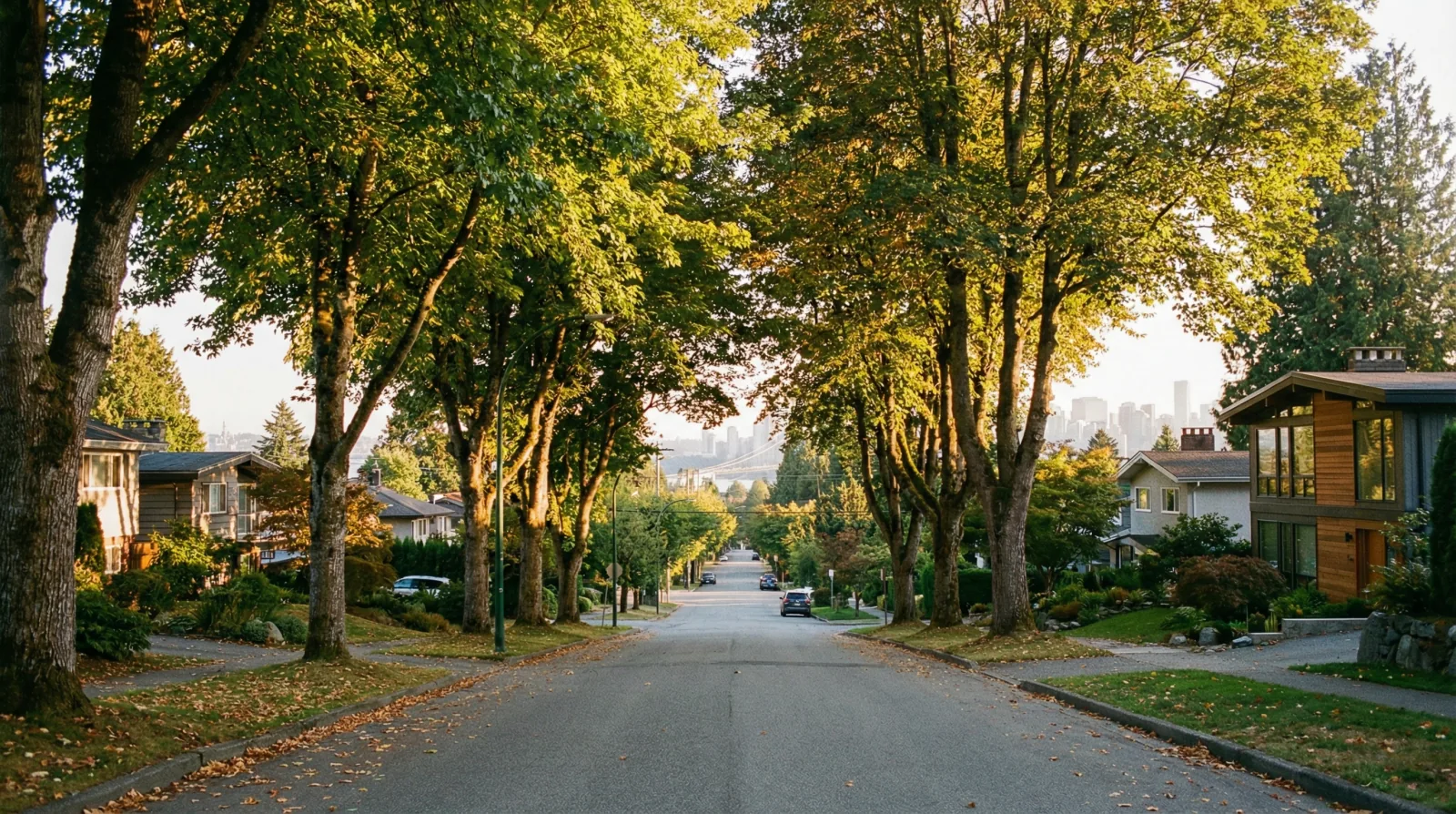
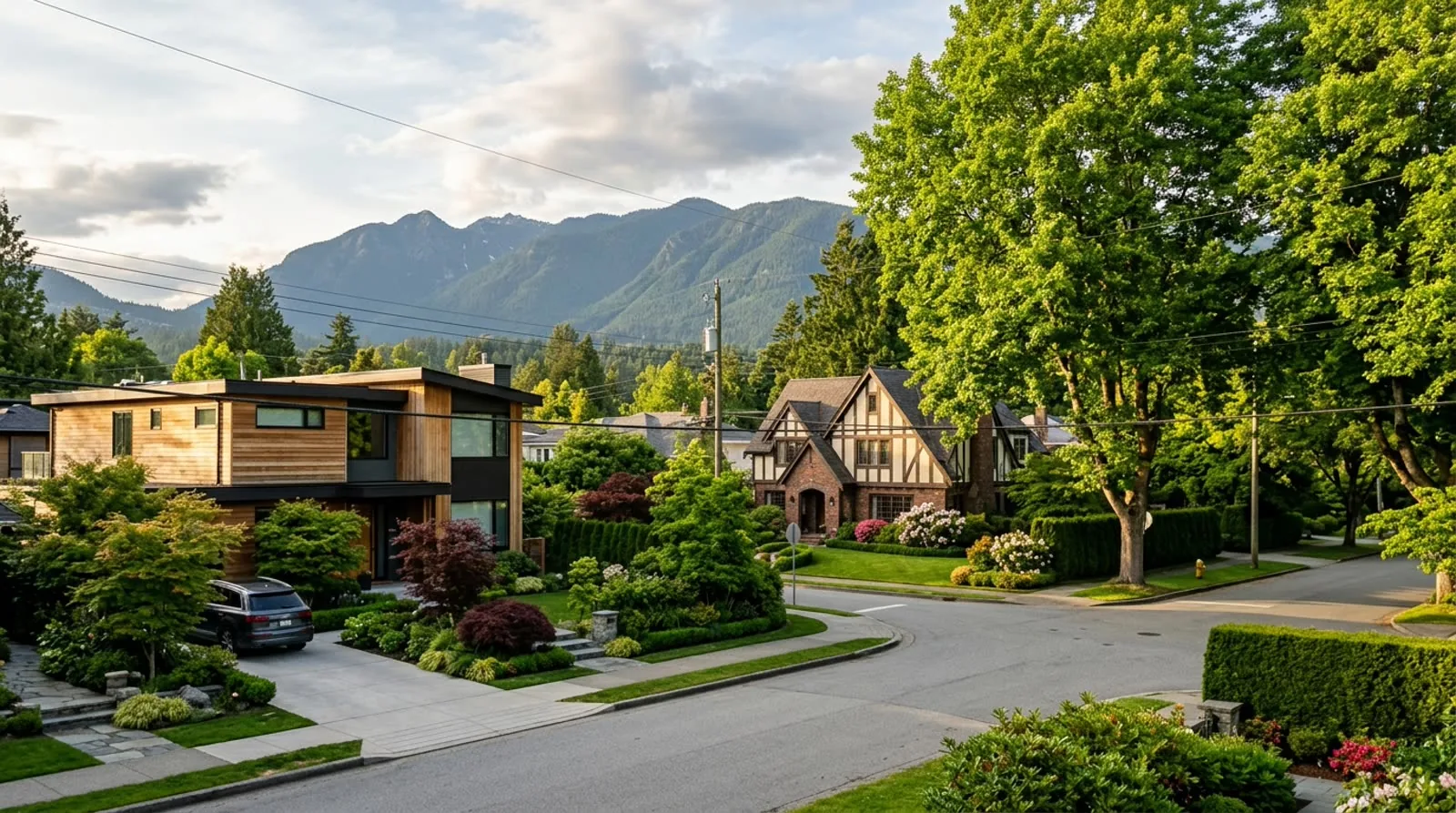
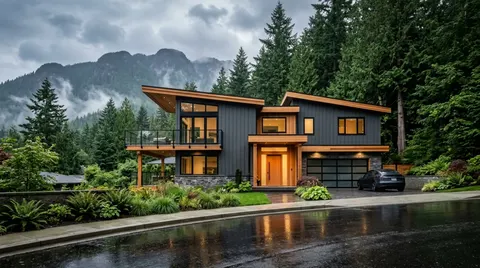
The Capilano area sits in the District of North Vancouver, primarily in single-family residential zoning. Lots are moderate to large, and the terrain is gentler than the upper-slope neighbourhoods. Most properties have manageable grades with established landscaping. Proximity to the Capilano River means some lots are within the river setback area, which can restrict building activity and require environmental review.
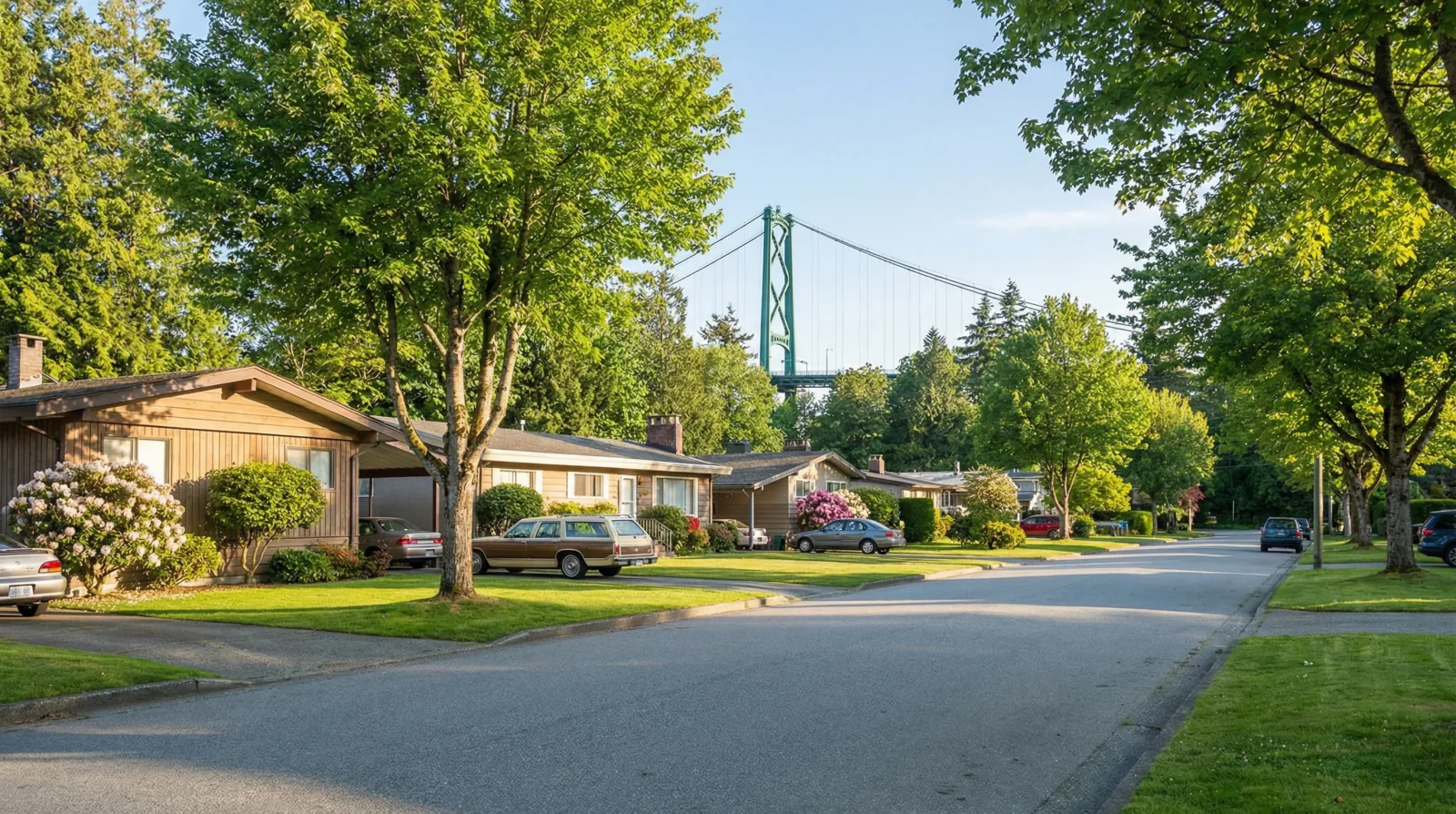
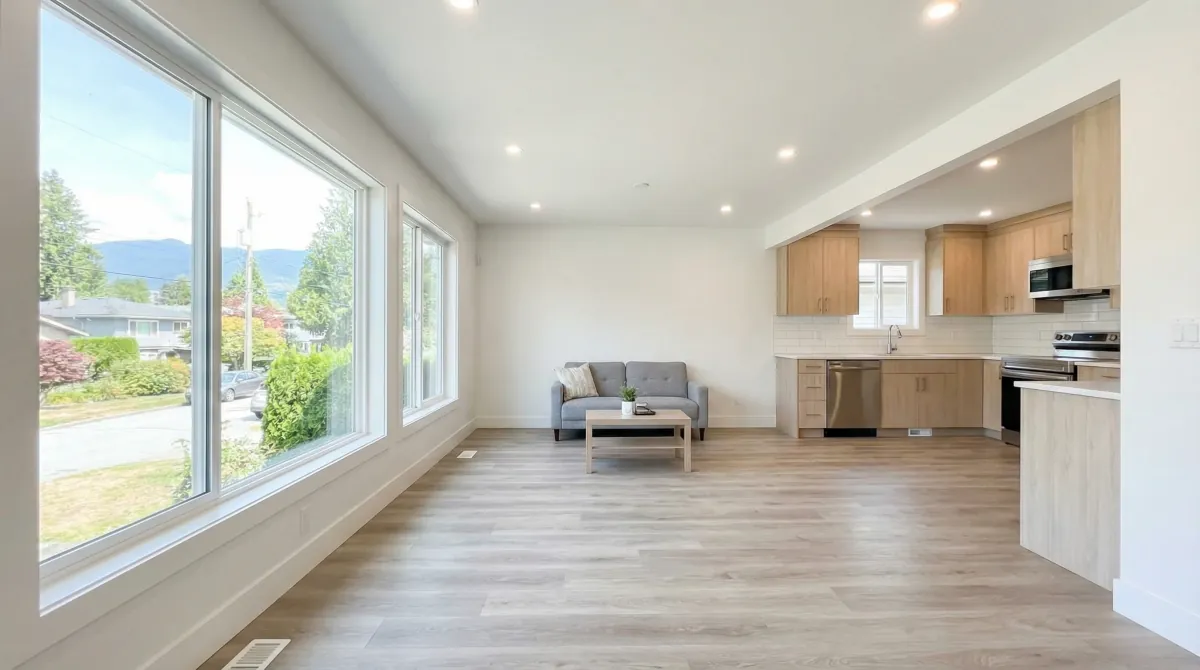
The housing stock is predominantly 1960s to 1980s builds. Many are rancher-style or split-level homes that were well-built for their era but have systems, insulation, and layouts that are due for renovation. The structures are typically sound, making renovation a cost-effective alternative to tear-down and rebuild.
Common renovation projects
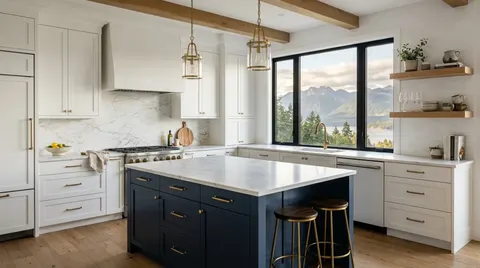
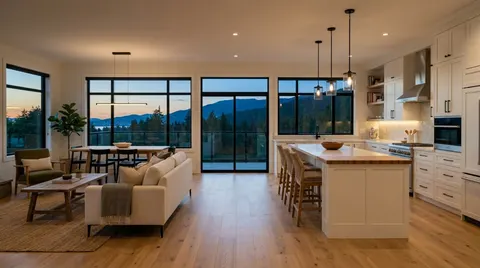
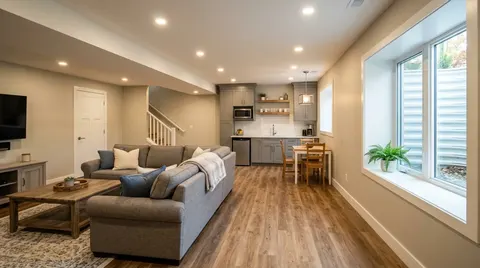
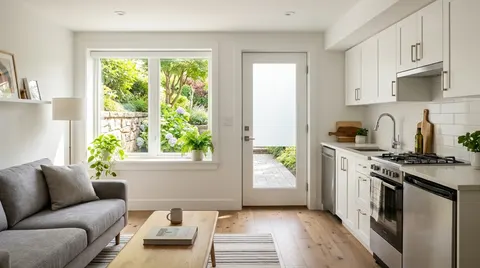
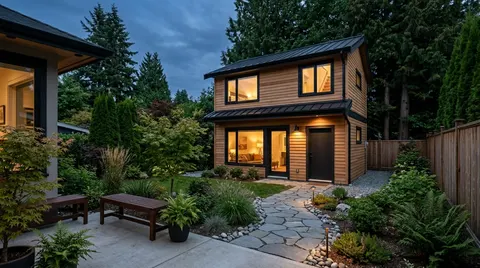
Kitchen and bathroom renovations lead the demand in Capilano, followed by full-home interior renovations that open up the main floor, upgrade the envelope, and modernize all mechanical and electrical systems. Basement finishing and secondary suite conversions are also popular. The area's proximity to Park Royal shopping and bus routes makes rental suites attractive.
The river, the setback, and the reports that come first
The Capilano River defines this area, and for some lots it defines the project too. Properties near the river can fall inside a riparian setback, which restricts what can be built and how close to the bank any work can happen. Where that applies, an environmental assessment becomes part of the permit package and the review takes longer.
The complication is that setbacks are not always obvious from the ground. Small watercourses feed into the Capilano through this area, and some run in pipes with nothing visible at the surface. The setback applies anyway. We check the District's mapping for watercourse setbacks and environmentally sensitive area designations before drawings start, along with a title search for covenants and rights-of-way that restrict more than the zoning bylaw does.
This is not a reason to avoid buying or renovating near the river. It is a reason to spend a week on feasibility before spending three months on a design that will not be approved.
What we find in a 1960s to 1980s Capilano home
The good news is that the terrain here is gentler than the upper-slope neighbourhoods. Grades are manageable on most lots, foundations are usually conventional, and site development is a smaller share of the budget than it is in Canyon Heights or Upper Lonsdale. That leaves more of the budget for the house itself.
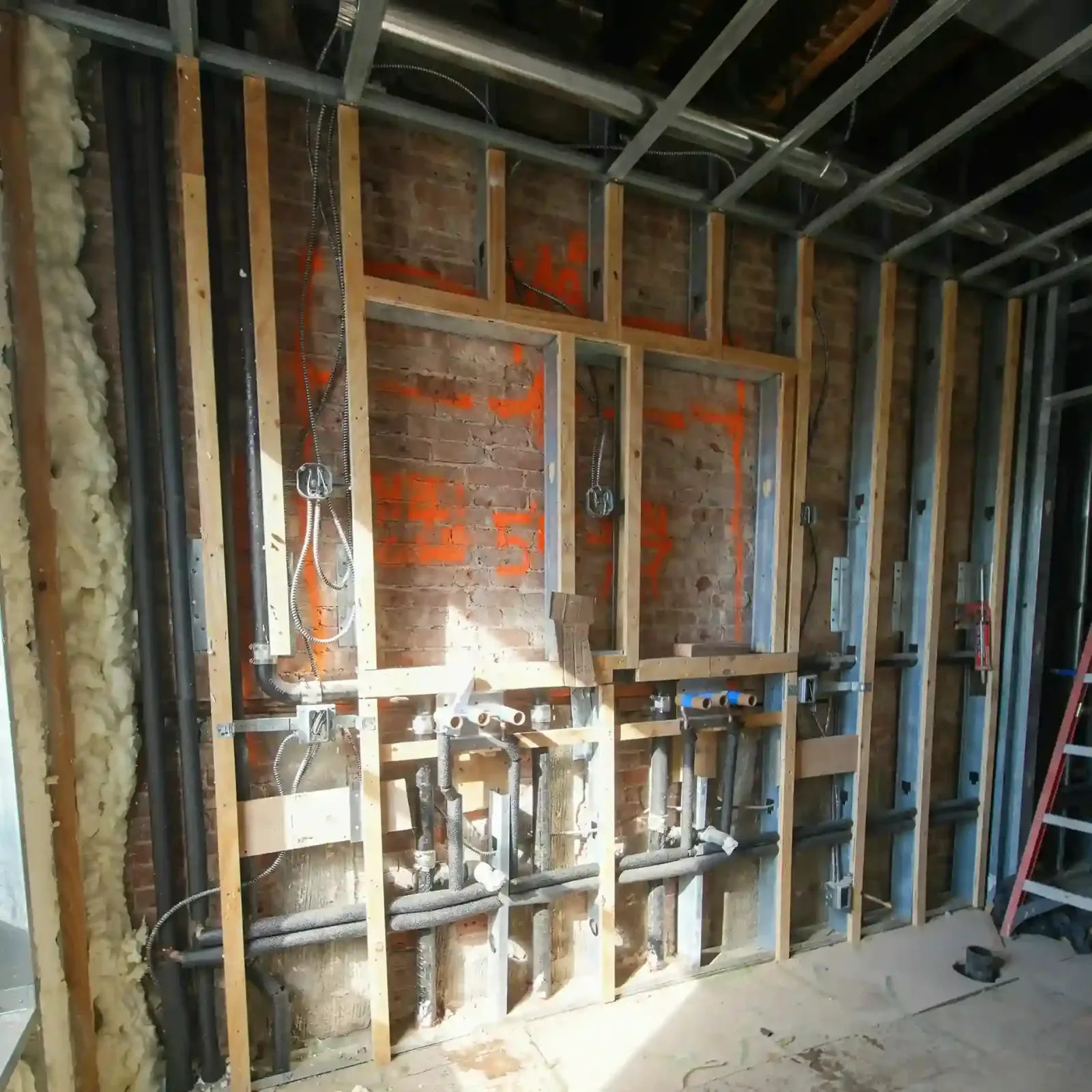
What the houses need is consistent across the era. A 100-amp panel that cannot carry a heat pump, an induction range, and a car charger. Galvanized supply lines that have narrowed with corrosion. R-8 to R-12 wall insulation with no vapour barrier. Windows that are single pane or early double glazing with failed seals. Kitchens closed off from the living space in a way nobody wants now.
Asbestos testing comes before demolition on anything built or renovated before 1990. Testing is $500 to $1,200 with results in 3 to 5 days. If a sample is positive, licensed abatement runs $3,000 to $15,000 and takes the site out of use for 3 to 10 days. Finding this in the estimate is inconvenient. Finding it after demolition has started is expensive.
A short commute, and what it does to renovation demand
Capilano sits at the North Shore end of the Lions Gate Bridge, next to Park Royal and the Marine Drive corridor. For a household with one person commuting into downtown Vancouver and another staying on the North Shore, it is one of the easier places to live on the whole shore.
That access is also why secondary suites do well here. Renters want the bridge, the bus routes along Marine Drive and Capilano Road, and walking distance to Park Royal. A legal one-bedroom suite runs $70,000 to $150,000, and the ceiling height in these 1960s to 1980s basements is usually workable without underpinning, which keeps the project at the lower end of that range more often than in older neighbourhoods.
Services in Capilano
Our work in the Capilano area covers kitchen renovation, bathroom renovation, full-home renovation, basement renovation, secondary suites, and project management.
Frequently asked questions
Does the Capilano River affect what I can build on my lot?
It can. Proximity to the Capilano River means some lots fall within the river setback area, which restricts building activity and can require environmental review. This is worth checking early, since it affects both where you can build and how long the permit process takes.
Is renovation a better option than rebuilding for a Capilano-area home?
For most of the 1960s to 1980s housing stock here, yes. These rancher-style and split-level homes were well-built for their era and are typically structurally sound, which makes renovation a cost-effective alternative to a full teardown and rebuild once the systems and layout are updated.
Is Capilano a good area for a secondary suite?
It is a common project here. Proximity to Park Royal, the bus routes along Marine Drive and Capilano Road, and the Lions Gate Bridge all make rental suites attractive. A legal one-bedroom suite runs $70,000 to $150,000 over 10 to 16 weeks, and basement ceiling heights in this 1960s to 1980s stock are usually workable without underpinning, which keeps the cost at the lower end of that range more often than in older neighbourhoods.
How do I know whether my lot is inside a watercourse setback?
You check the District's mapping rather than the ground. Small watercourses feed into the Capilano through this area and some run in pipes with nothing visible at the surface, and the setback applies anyway. We review the District's watercourse and environmentally sensitive area mapping plus a title search for covenants and rights-of-way before any design work, because a week of feasibility is cheaper than three months of design that will not be approved.
What does a renovation cost in the Capilano area?
A full bathroom in the existing layout runs $28,000 to $48,000, a full kitchen replacement $65,000 to $110,000, and a whole-home renovation $150 to $300 per square foot. Because the grades here are gentler than the upper slopes, site development takes a smaller share of the budget than in Canyon Heights or Upper Lonsdale, which leaves more of the money for the house itself.
Is asbestos a concern in Capilano homes?
Assume yes for anything built or renovated before 1990. Drywall joint compound, vinyl floor tile, and pipe wrap from this era all commonly contain it. Testing costs $500 to $1,200 with results in 3 to 5 days, and licensed abatement, when needed, runs $3,000 to $15,000 and takes the site out of use for 3 to 10 days. We test before demolition so it lands in the estimate rather than in a change order.
What does an environmental assessment cost for a Capilano riparian lot?
An environmental assessment for a lot inside a river or watercourse setback runs $3,000 to $8,000 and adds several weeks to the permitting timeline. It only applies where a lot actually falls inside a setback, which is not always visible from the ground, so we check the mapping before design work starts rather than after.
How much does a Capilano kitchen renovation cost?
A full kitchen replacement in the existing layout runs $65,000 to $110,000 over 8 to 12 weeks. A service upgrade at $4,000 to $8,000 is common as part of that scope, since the 100-amp panel typical of this era will not carry a modern appliance load plus a heat pump.