Building and renovating in Vancouver
Vancouver's zoning has changed significantly. The old RS single-family zones were consolidated into R1-1, which permits multiplexes of up to six dwelling units, or up to eight where the units are rental. For homeowners this means the question is no longer whether you can add density, but which form makes sense on your specific lot and whether the economics work once servicing, parking, and tree requirements are counted.
Renovation in Vancouver often means working with older housing stock. Character homes in Kitsilano, Mount Pleasant, and the East Side have heritage value and sometimes formal designation, which adds a layer of design review. The city also actively encourages keeping them: retaining a character house can unlock additional floor space with infill, up to 0.85 FSR, which frequently makes retention the better financial decision rather than the sentimental one.
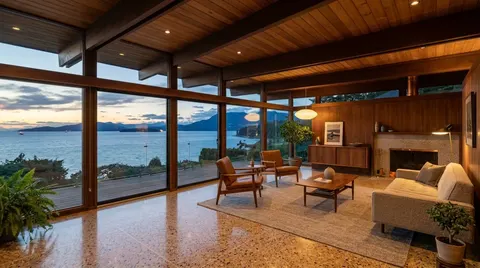
Mid-century homes on the West Side are the other common project. They sit on valuable lots with layouts that no longer suit how people live, and the decision between a deep renovation and a rebuild comes down to the condition of the foundation, the structure, and the envelope rather than to the finishes.
What renovating a Vancouver character home actually involves
A 1910s or 1920s Vancouver house is a genuinely different building from a post-war one. Full-dimension framing, board sheathing, lath and plaster, and often a foundation that was poured without reinforcement and without a footing drain. Levelling one of these houses is frequently the first line item, not a finishing detail.
The systems are the bigger cost. Knob-and-tube wiring is common and insurers increasingly will not cover a home that still has it live. Galvanized supply lines have corroded down to a fraction of their original diameter. Cast iron drainage cracks at the joints. None of that is visible during a walkthrough, which is why we open test areas before quoting rather than pricing from a walkaround.
Where the house is in a designated area or on the heritage register, the exterior work goes through design review, and window replacement in particular gets scrutiny. Custom wood windows that satisfy a heritage reviewer cost several times what a standard vinyl unit does and carry long lead times. That belongs in the budget from week one.
Commercial renovation in Vancouver
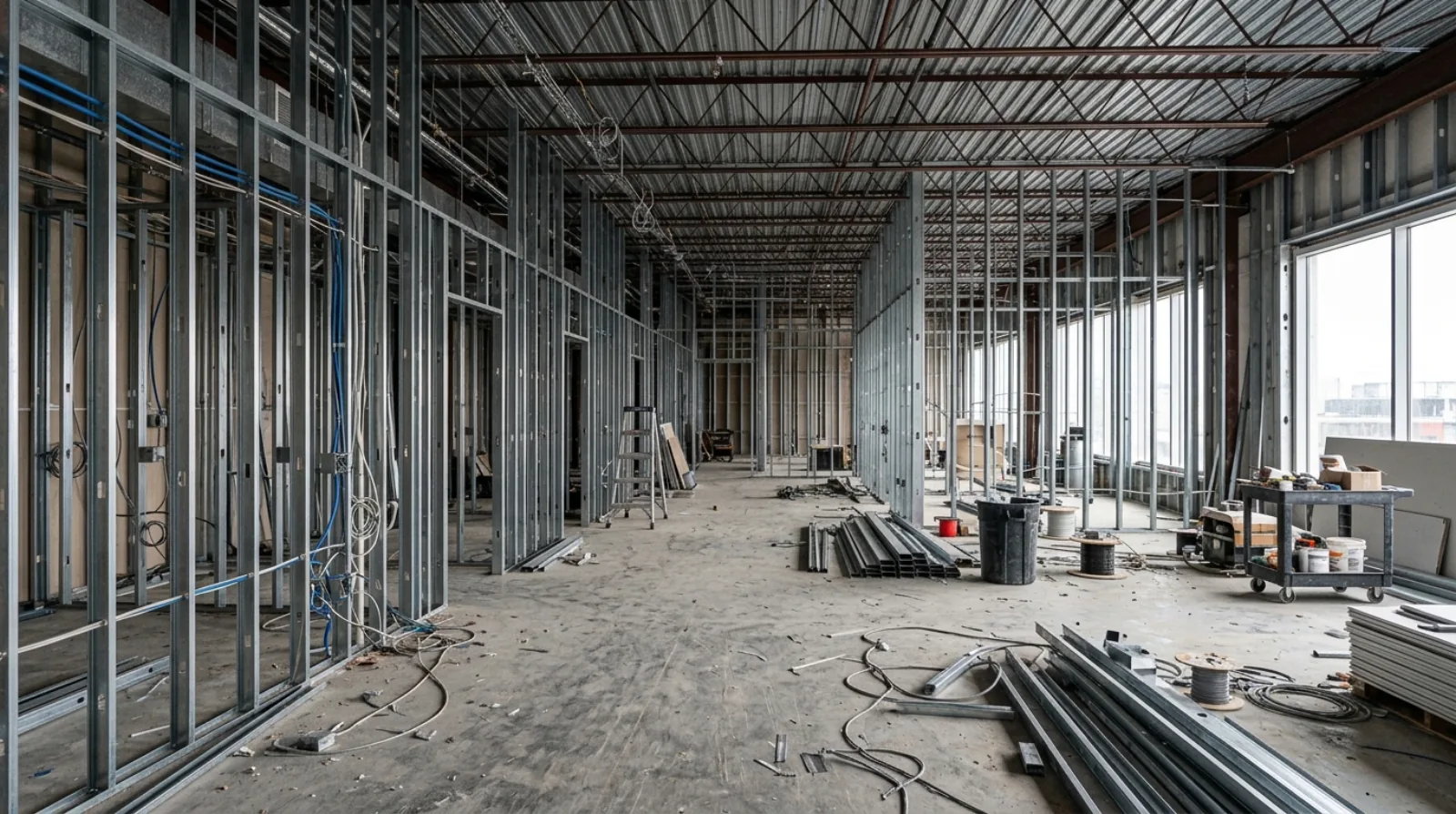
Vancouver's commercial renovation market is active: restaurants, retail spaces, offices, and mixed-use developments all need regular build-out and refresh work. We handle commercial renovation projects across the city, from tenant improvements in commercial towers to full restaurant build-outs that require health authority coordination.
The permit process for commercial work in Vancouver runs through the city's development services department. For straightforward tenant improvements, processing times run 6 to 10 weeks. For projects requiring a development permit (exterior changes, signage, change of use), expect 3 to 6 months.
Laneway homes and secondary suites
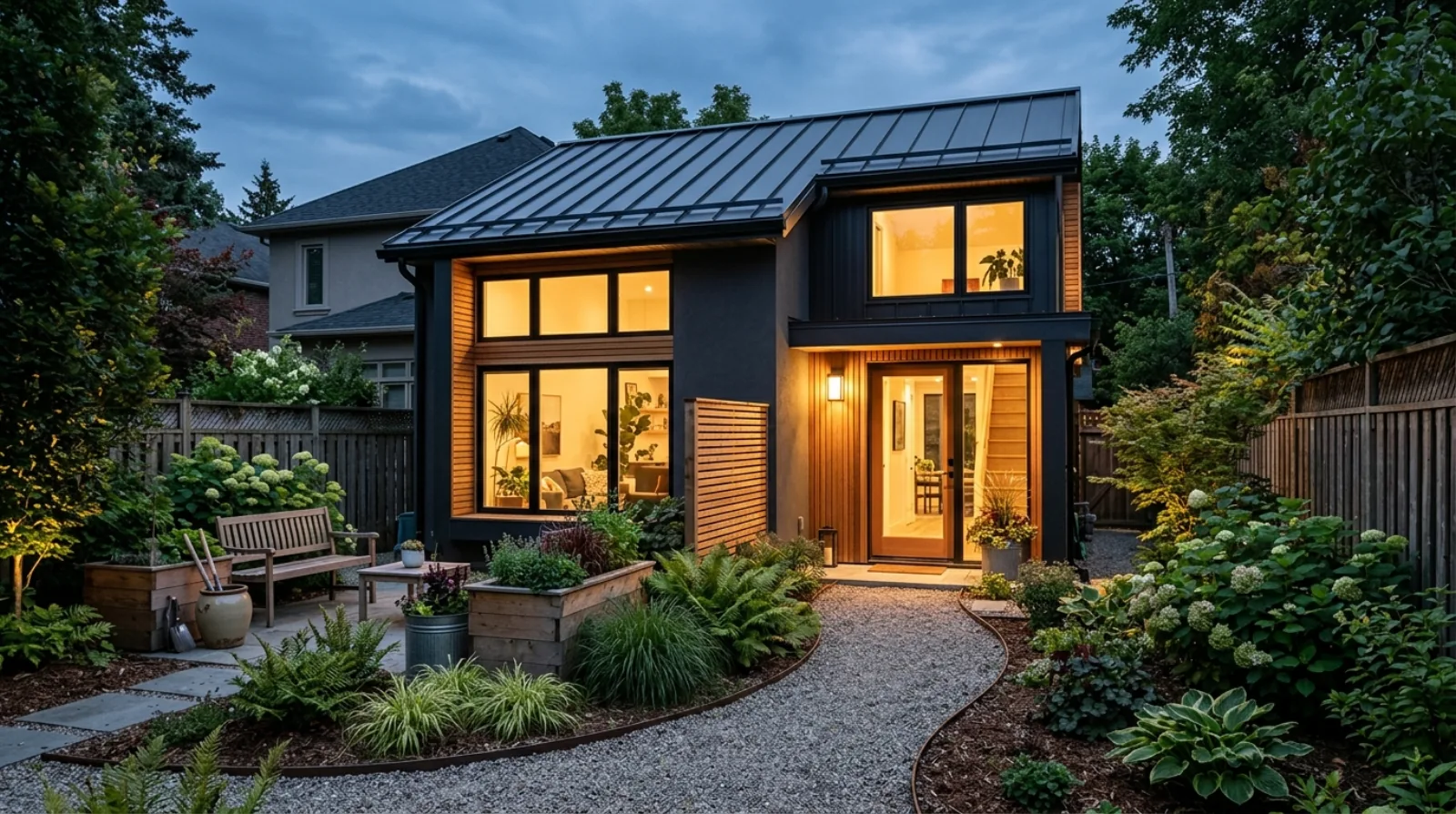
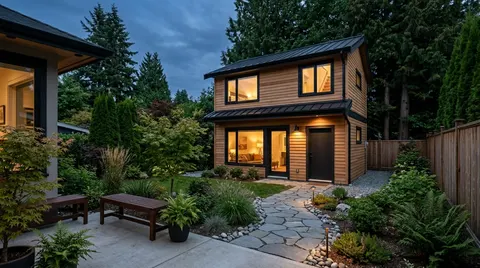
Laneway homes have been a significant part of Vancouver's housing strategy since 2009, and the city has continued to expand where they're permitted. Building a laneway house in Vancouver requires navigating setback requirements, height limits, parking provisions, and utility connections: all within a relatively small footprint.
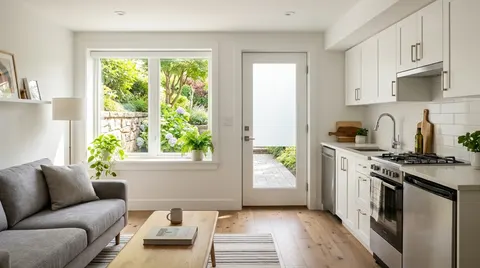
We build laneway homes and secondary suites in Vancouver. These projects are small in scale but often complex per square foot because of the tight site constraints and the need to connect to existing services.
Why a North Shore builder crosses the bridge
We are honest about this: the North Shore is our core market and most of our work is there. We take Vancouver projects selectively, and the reason is scheduling rather than capability. A crew that spends ninety minutes a day crossing the Lions Gate is a crew that is not on your site.
So we take on Vancouver work where the project justifies a dedicated site team: full renovations, character home restorations, laneway houses, and commercial buildouts. For a single bathroom across the bridge, an East Vancouver contractor will serve you better and we will say so.
What we bring when we do cross is a way of running a project that most homeowners have not experienced: a fixed scope written before demolition, a schedule that shows the critical path rather than a finish date, and a weekly update whether or not there is good news that week.
Services available in Vancouver
We take on home renovation, character home renovation, laneway homes, secondary suites, and commercial renovation projects across Vancouver. Our experience working within the City of Vancouver's permit and inspection system means we can navigate the process efficiently and keep projects moving.
Frequently asked questions
Can I build a duplex or multiplex on my Vancouver lot?
Most former RS single-family zones are now R1-1, which permits multiplexes of up to six dwelling units, or up to eight where the units are rental. Whether your specific lot works depends on its zoning designation, lot dimensions, tree retention requirements, and servicing, so it needs to be checked against the current bylaw rather than assumed from what the house next door looks like.
Is it worth keeping a Vancouver character house instead of rebuilding?
Often yes, and not only for sentimental reasons. The city encourages retention by permitting infill and conversion where a character house is kept, with up to 0.85 FSR available. That extra floor area frequently makes retention the better financial outcome. The costs that decide it are levelling and foundation work, and heritage-appropriate windows, which cost several times a standard unit and carry long lead times.
What does a Vancouver renovation cost?
Kitchens run $60,000 to $200,000 or more depending on whether the layout changes, character home restorations $300 to $500 per square foot, and a full-home renovation with an addition and a suite $300,000 to $600,000 or more over 8 to 14 months of construction. Permitting can add another 4 to 8 months before construction starts, so the calendar matters as much as the budget.
Do you take on small Vancouver projects?
Usually not, and we would rather say so plainly. Our base and core market are on the North Shore, so we take Vancouver work where the project justifies a dedicated site team: full renovations, character home restorations, laneway houses, and commercial buildouts. For a single bathroom across the bridge, an East Vancouver contractor will serve you better.
How long does a commercial renovation permit take in Vancouver?
For straightforward tenant improvements, processing runs 6 to 10 weeks. Projects that need a development permit, such as exterior changes, new signage, or a change of use, typically take 3 to 6 months. Health authority coordination adds time for restaurant build-outs specifically.
What do I need to know about building a laneway home in Vancouver?
Laneway homes have been part of the city's housing strategy since 2009, and the permitted areas have kept expanding. You need to navigate setback requirements, height limits, parking provisions, and utility connections, all within a small footprint. Because the site is tight, these projects are often complex per square foot even though the overall size is modest.
Why does knob-and-tube wiring matter in an older Vancouver house?
Knob-and-tube wiring is common in 1910s and 1920s Vancouver homes, and insurers increasingly will not cover a home that still has it live. It is one of the systems issues, along with galvanized supply lines and cracked cast iron drainage, that is never visible during a walkthrough. That is why we open test areas before quoting rather than pricing from a walkaround.
How much does a Vancouver kitchen renovation cost?
A kitchen renovation in Vancouver runs $60,000 to $200,000 or more over 8 to 16 weeks. The spread reflects the housing stock: a cosmetic refresh with the existing layout sits at the bottom of the range, and a full rebuild with structural change and custom millwork sits at the top.