
Building conditions specific to Deep Cove
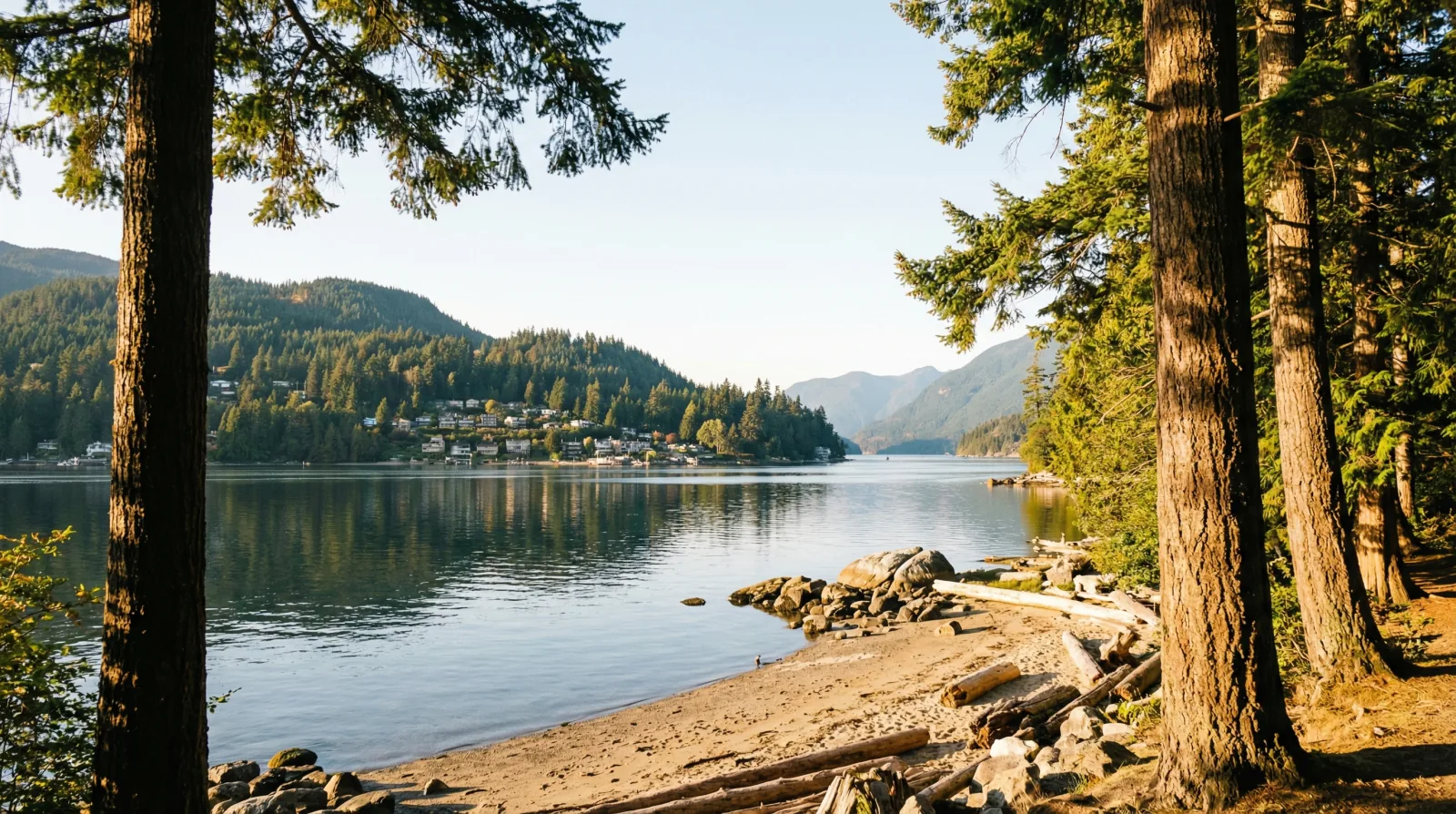
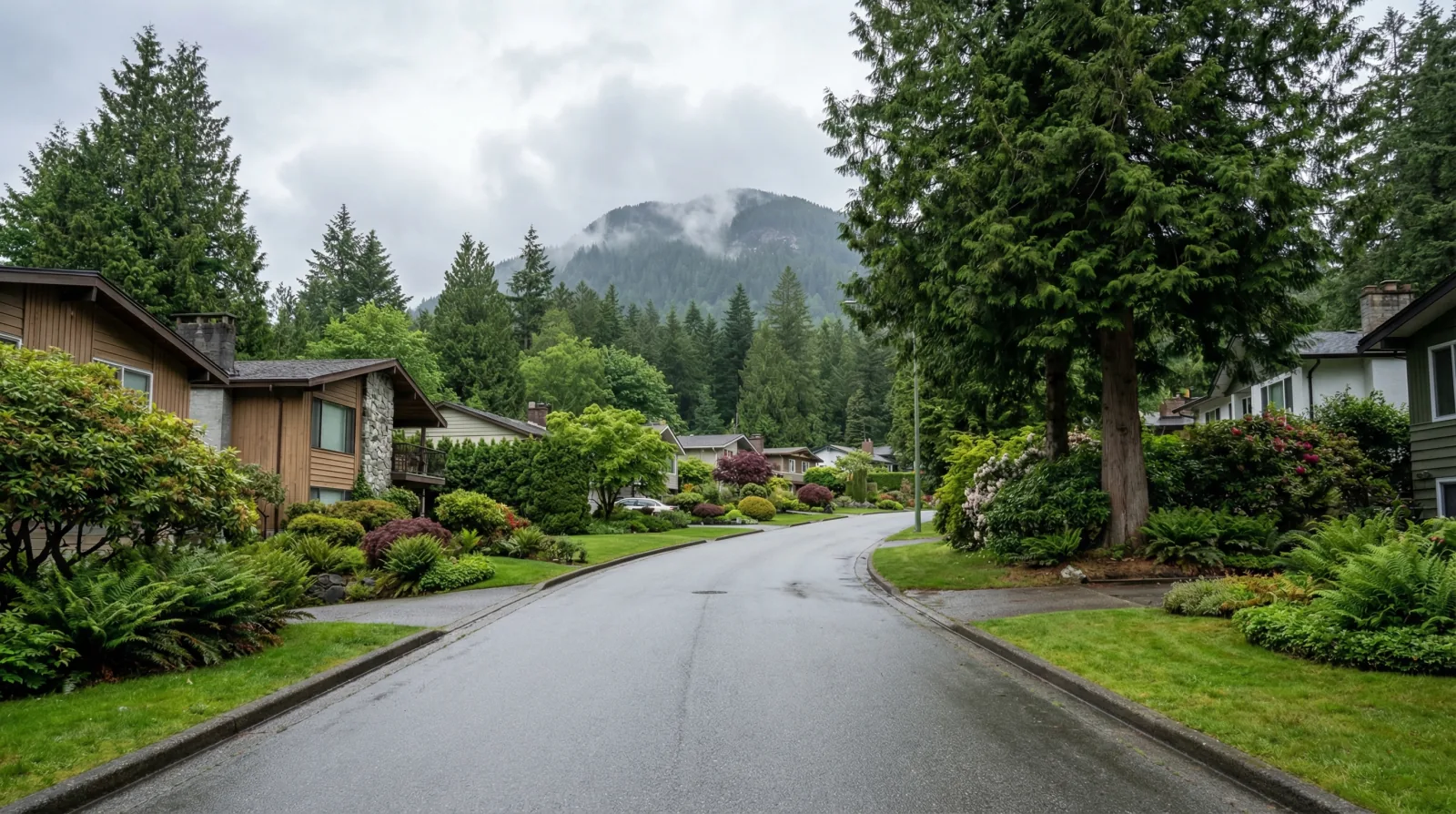
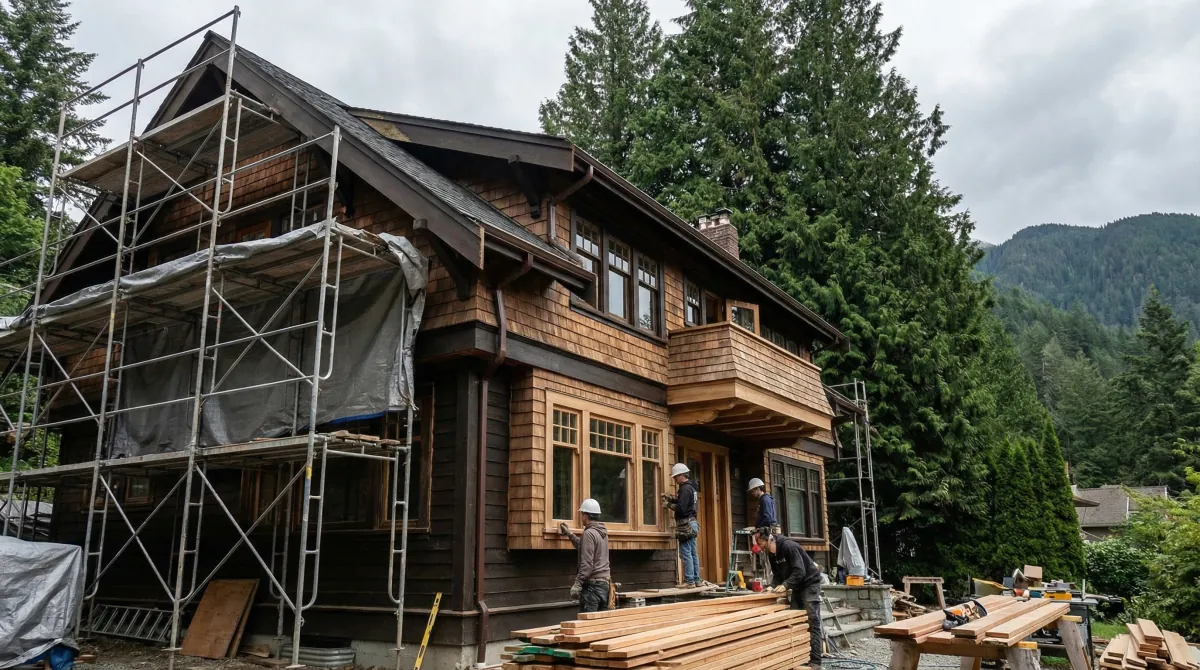
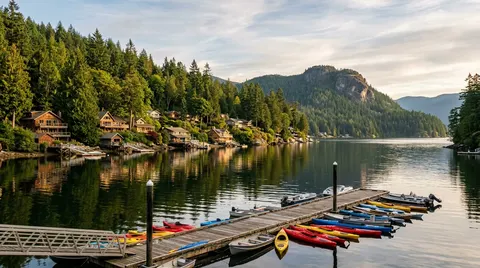
Deep Cove's charm is also its construction challenge. Many streets are narrow, with limited or no lane access for equipment staging. Excavators, concrete trucks, and material deliveries need to be carefully planned, sometimes involving lane closures with District approval. Homes along the waterfront face additional considerations: proximity to the ocean, salt air corrosion on exterior materials, and drainage that needs to account for tidal influence on groundwater.
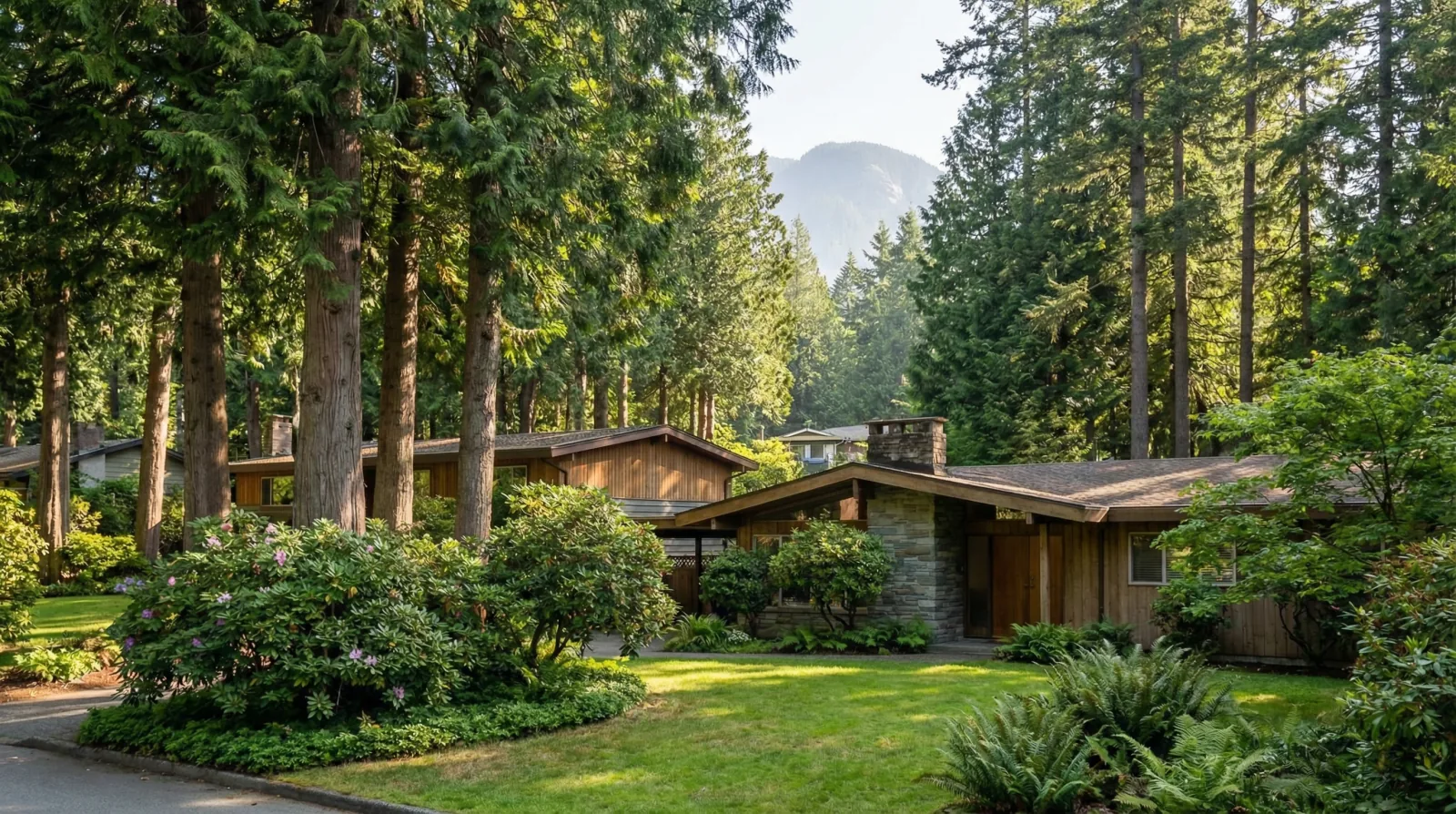
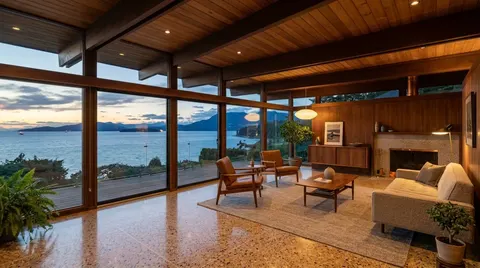
The housing stock in Deep Cove is mixed. Older homes from the 1950s through 1970s often have character that homeowners want to preserve, but the underlying systems (plumbing, electrical, insulation, foundation) are at or past their service life. Newer homes on the ridgeline tend to be larger custom builds on steep lots. Both require builders who know the area.
Tree protection and environmental considerations
The District of North Vancouver's tree bylaw applies heavily in Deep Cove. Mature conifers and deciduous trees throughout the neighbourhood carry protection status, and any construction activity within the root zone requires an arborist assessment and a tree management plan as part of the permit application. In some cases, protected trees shift the buildable envelope significantly.
Proximity to Cove Creek, Indian River, and the waterfront can also trigger environmental review requirements. If your lot borders a watercourse, setback distances and environmental protection measures add complexity to the permit process. We coordinate these reviews as part of our pre-construction assessment.
Common projects in Deep Cove
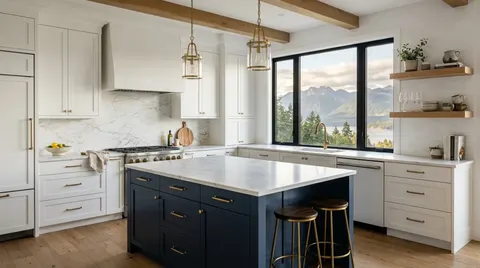
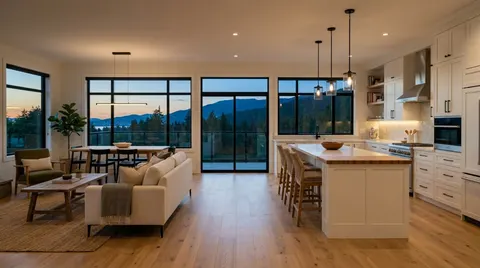
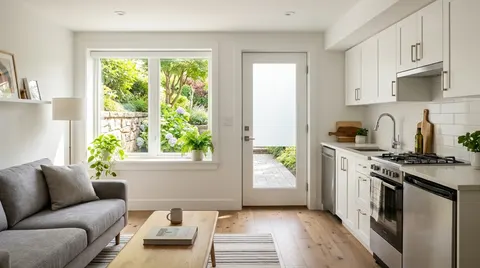
The renovation work we see most in Deep Cove is whole-home renovation of older character homes: keeping the exterior character while completely modernizing the interior, upgrading the building envelope, and improving the foundation. Kitchen and bathroom renovations are frequent, often on homes where the original layout doesn't match how the current owners use the space.
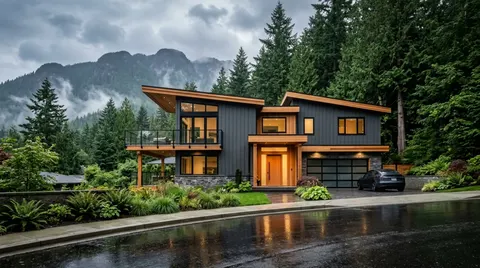
Major renovations in Deep Cove tend to be on the larger lots along the ridge or on waterfront properties. These are complex projects that involve engineered foundations, retaining walls, and site work that accounts for both slope and proximity to water.
From summer resort to year-round neighbourhood
Deep Cove was known as Deepwater before it had its current name, and long before that it was a clamming and fishing area for the Tsleil-Waututh Nation, whose traditional territory this is along with the Squamish Nation. In the 1910s it became a summer resort for Vancouver families, reached by boat rather than road. That is why so many of the oldest buildings here started life as cottages.
It became a year-round neighbourhood after the Second Narrows Bridge opened in 1960, which is when the population really grew. The 1960s and 1970s filled in most of the streets you see today. The community also has a claim on mountain biking history: the first mountain bikes in Vancouver turned up here in the early 1980s, on the trails above the village.
That history explains the housing. A summer cottage that was insulated, added to, and winterized over sixty years is a different renovation from a purpose-built 1970s house. We open both up regularly, and the cottage conversions are always the ones with more surprises: undersized framing, three generations of wiring, additions on posts rather than footings, and floors that were never level to begin with.
Salt air, and what it does to a building
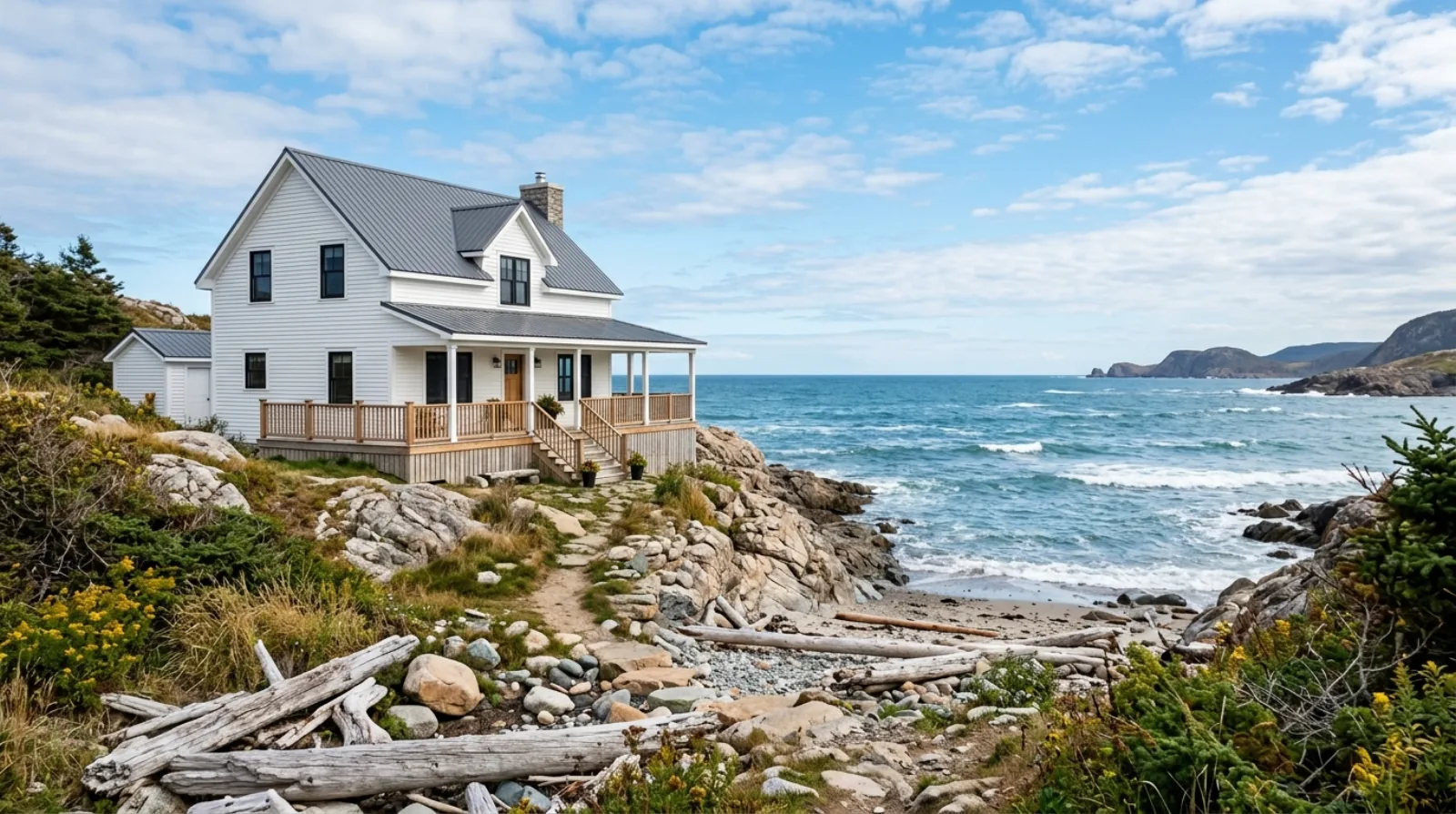
Waterfront and near-waterfront properties in Deep Cove face a corrosion problem that inland North Vancouver does not. Salt air attacks metal fasteners, flashing, railings, hardware, and light fixtures. Standard galvanized fasteners rust out. Aluminum window frames pit. Steel guardrail connections fail at the weld.
The fix is specification, not maintenance. On coastal exposures we use stainless steel fasteners rather than galvanized, marine-grade or powder-coated hardware, and flashing details that shed water rather than hold it. It costs more up front. It costs far less than replacing a deck structure in twelve years because the connections corroded.
Drainage near the water also has to account for tidal influence on the groundwater table. A perimeter drain that works fine on a Lynn Valley lot can sit below the high water table here for part of the day. That changes the drainage design, and it is the kind of detail that does not show up until the first winter if nobody thought about it.
The access problem, in detail
The most expensive thing about building in Deep Cove is often getting materials to the site. Many streets are narrow, with no lane, limited turnaround for a concrete truck, and driveways that a loaded delivery vehicle cannot climb. Some lots are only practically reachable on foot from the road.
So the plan changes. Concrete may need to be pumped rather than poured directly. Excavation spoil may need to be moved in smaller loads. Material deliveries get scheduled early in the day and staged in sequence rather than dropped all at once. On the tightest lots we have used a crane for a single lift rather than fighting the driveway for a week.
Add the summer visitor traffic. Quarry Rock and the village draw large crowds through the warmer months, and parking near the water disappears entirely on a sunny weekend. We schedule deliveries around that, and we tell clients honestly when the access on their specific lot is going to add real cost to the project rather than pretending it is the same as a job on a wide street.
Services in Deep Cove
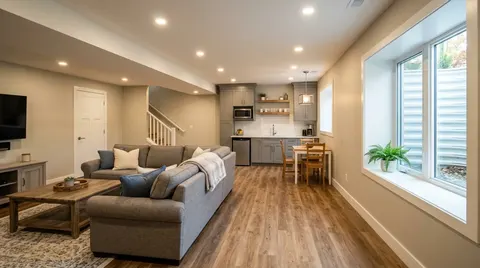
Deep Cove projects we take on include whole-home renovation, kitchen and bathroom work, basement finishing, envelope and deck rebuilds, and renovation design. The access constraints, the tree bylaw, and the District's permit process for this area are all familiar ground for our team.
Frequently asked questions
Why is equipment access such a big deal for renovating in Deep Cove?
Many streets in Deep Cove are narrow with limited or no lane access for equipment staging. Excavators, concrete trucks, and material deliveries need to be planned carefully, and sometimes require a lane closure with District approval. This affects both the schedule and the cost of a renovation compared to a project on a wider street.
Will protected trees affect my renovation plans in Deep Cove?
Likely yes. The District of North Vancouver's tree bylaw applies heavily here, and any construction activity within a protected tree's root zone requires an arborist assessment and a tree management plan as part of the permit application. In some cases, protected trees shift the buildable envelope on the lot significantly, so this needs checking before design starts.
Does my Deep Cove property need environmental review before renovating?
If your lot borders Cove Creek, Indian River, or the waterfront, it can trigger environmental review requirements, including setback distances and protection measures. We coordinate these reviews as part of our pre-construction assessment so they do not stall the project once permits are submitted. Arborist and environmental reports together typically run $4,000 to $12,000 and come before design, not after.
Does being near the water change how a Deep Cove home should be built?
Yes, and it is mostly about specification. Salt air corrodes standard galvanized fasteners, pits aluminum window frames, and attacks steel guardrail connections at the weld. On coastal exposures we specify stainless fasteners, marine-grade or powder-coated hardware, and flashing that sheds water rather than holding it. Drainage also has to account for tidal influence on the groundwater table, which a standard inland design does not.
Why are older Deep Cove homes harder to renovate than they look?
Many of them started as summer cottages. Deep Cove was a summer resort for Vancouver families in the 1910s and only became a year-round neighbourhood after the Second Narrows Bridge opened in 1960. A cottage that was insulated, added to, and winterized over sixty years hides undersized framing, several generations of wiring, additions built on posts rather than footings, and floors that were never level. We open these up carefully and price the unknowns honestly.
What does a whole-home renovation cost in Deep Cove?
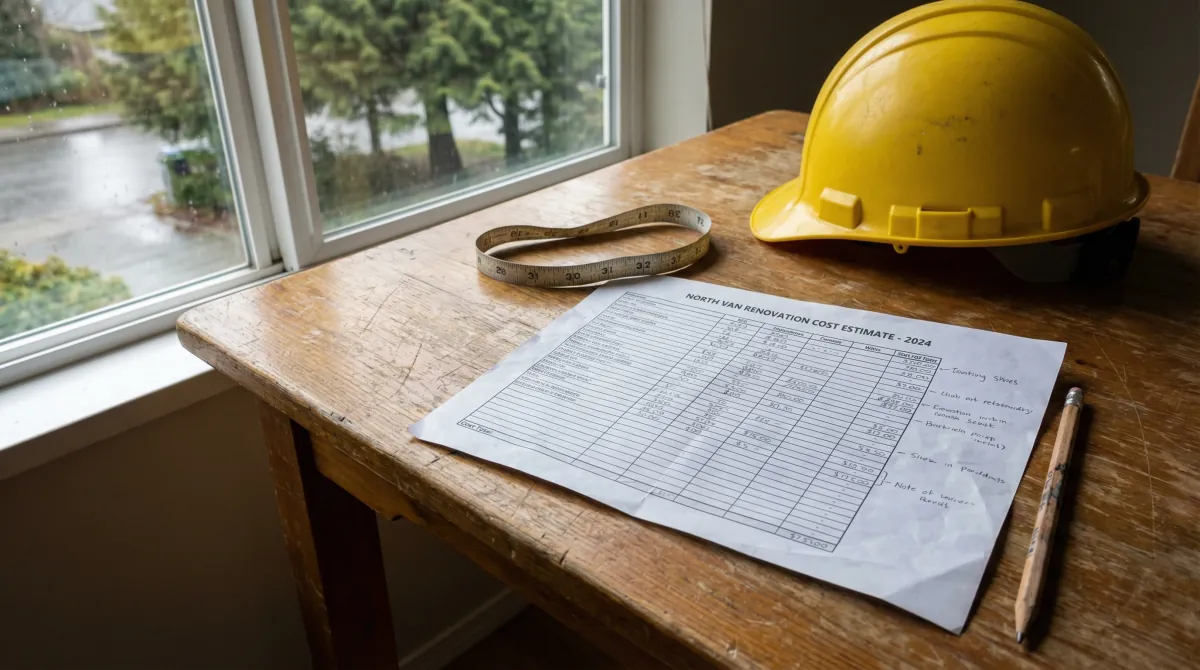
Character home renovations here run $250 to $450 per square foot over 8 to 14 months. The range is wider than most North Shore neighbourhoods because access, coastal detailing, and the unknowns in a converted cottage all vary so much lot to lot. We walk the site and check delivery access before quoting rather than applying a standard per-square-foot number.
What does a deck rebuild cost on a coastal Deep Cove property?
A deck and guardrail rebuild on coastal exposure runs $50,000 to $140,000 over 6 to 12 weeks. Stainless fasteners, marine-grade hardware, and proper flashing cost more up front than standard materials, and that specification is the reason the structure lasts near the water instead of failing at the connections within a decade.
What does foundation and drainage work near the water cost in Deep Cove?
Foundation and drainage work near the water in Deep Cove runs $60,000 to $180,000 over 6 to 12 weeks. Tidal influence on the groundwater table changes the drainage design: a perimeter drain system that works fine on a Lynn Valley lot can sit below the high water table here for part of the day, which is why we design for the tide rather than treat every lot the same.