
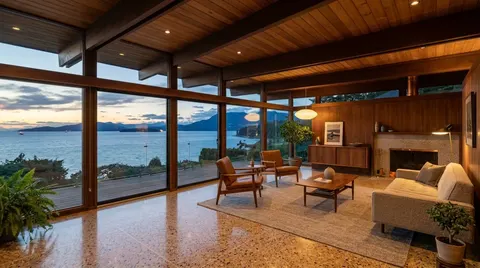

What we see in Lynn Valley homes
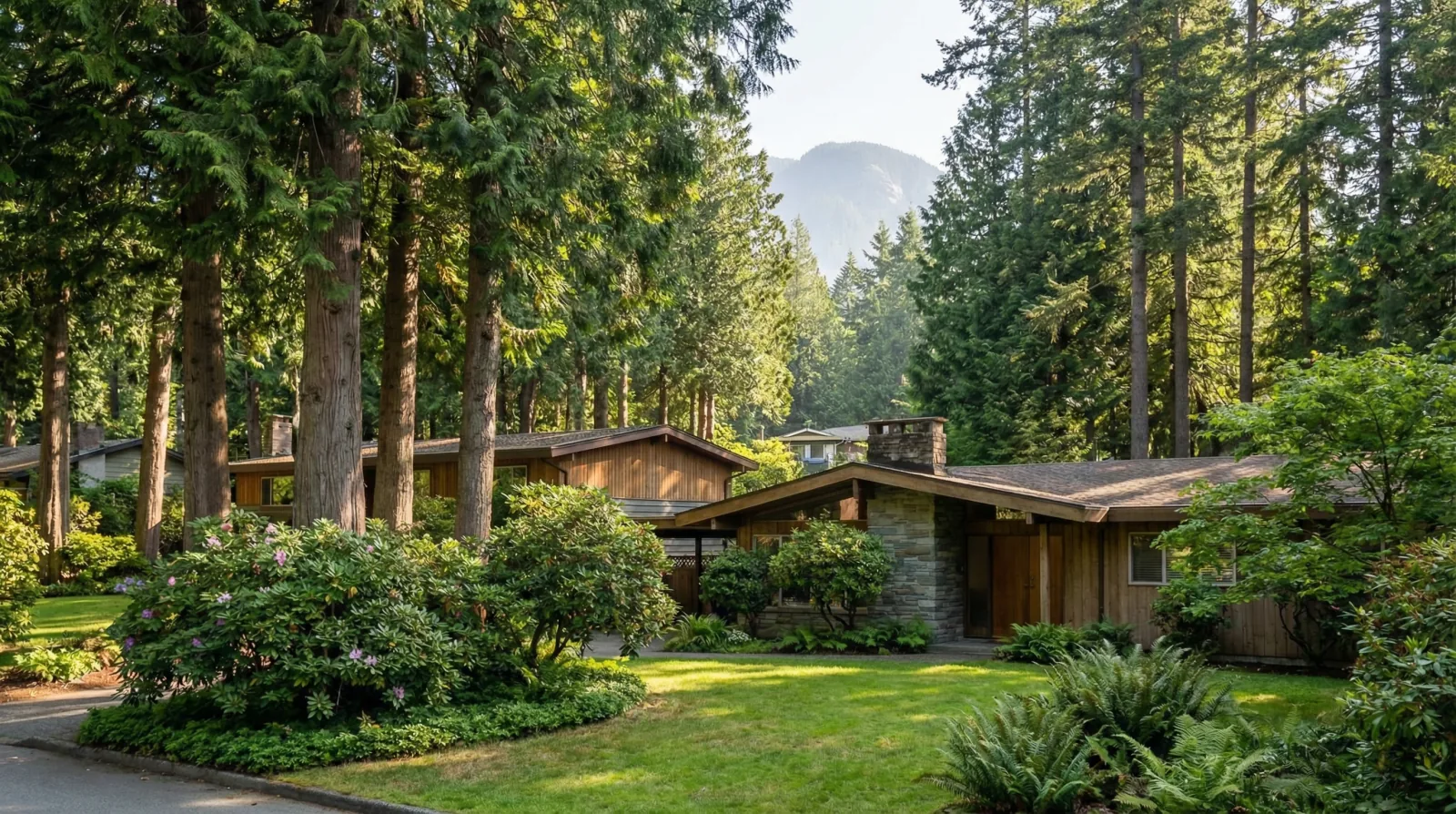
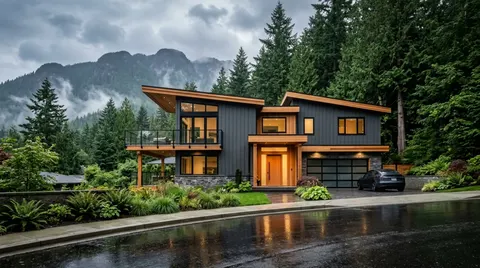
Most of the renovation work we do in Lynn Valley involves homes from the 1960s through early 1980s. These houses typically have aluminum wiring (in some cases), galvanized plumbing, R-12 or R-8 insulation, single-pane windows, and foundations that were designed before modern seismic standards. None of this is unusual for the North Shore. It's just the starting condition that renovation scoping has to account for.
The good news is that many Lynn Valley homes sit on generous lots with mature landscaping and established neighbourhoods. The lot value supports renovation investment, and the existing structures, while dated, are often structurally sound enough to renovate rather than demolish.
Popular renovation projects in Lynn Valley
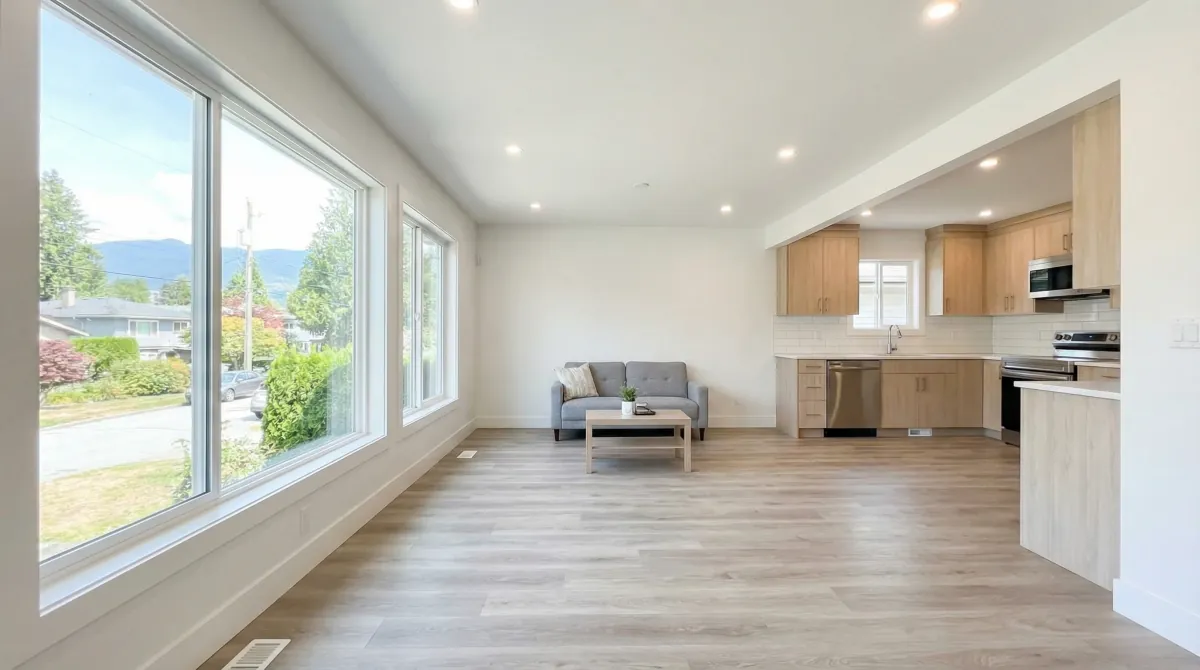
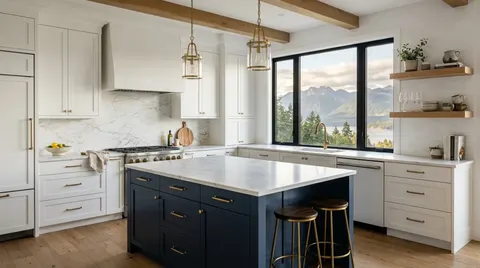
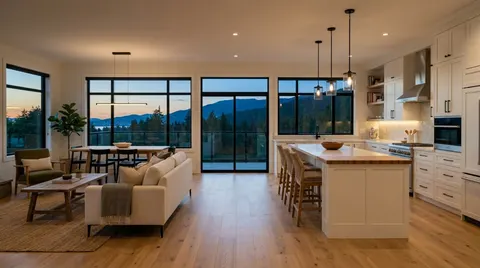
Kitchen renovations are the most common request we get from Lynn Valley homeowners. The typical 1970s kitchen layout (closed off from the living area, undersized, with limited counter space) doesn't work for how families use their homes today. Opening up the kitchen to the living room, adding an island, and upgrading the electrical to handle modern appliance loads is a standard scope.
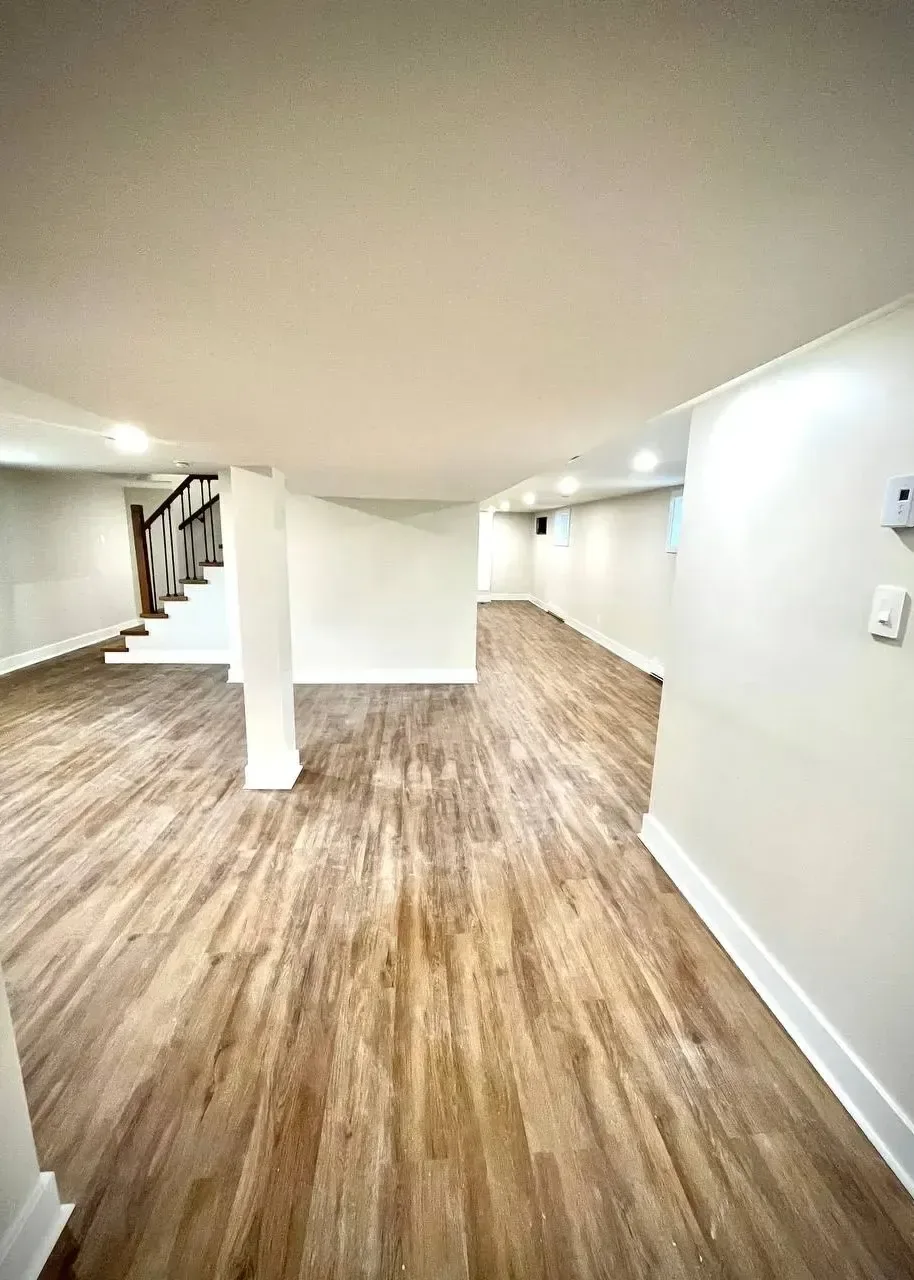
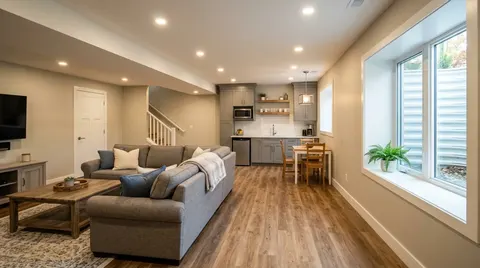
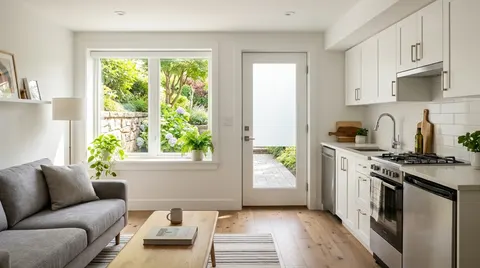
Basement secondary suite conversions are the second most common. Lynn Valley's family-oriented demographics and strong rental demand make legal suites attractive. We handle the full process: moisture assessment, framing, mechanical systems, fire separation, separate entrance, and permit coordination with the District of North Vancouver.
Building permits in Lynn Valley
Lynn Valley falls under the District of North Vancouver. Permit processing runs 4 to 6 weeks for minor renovation permits and 4 to 6 months for new construction or major renovations involving structural changes. The District's tree protection bylaw applies to most lots in the area, if your project involves excavation near mature trees, expect an arborist assessment as part of the permit package.
From Shaketown to a town centre
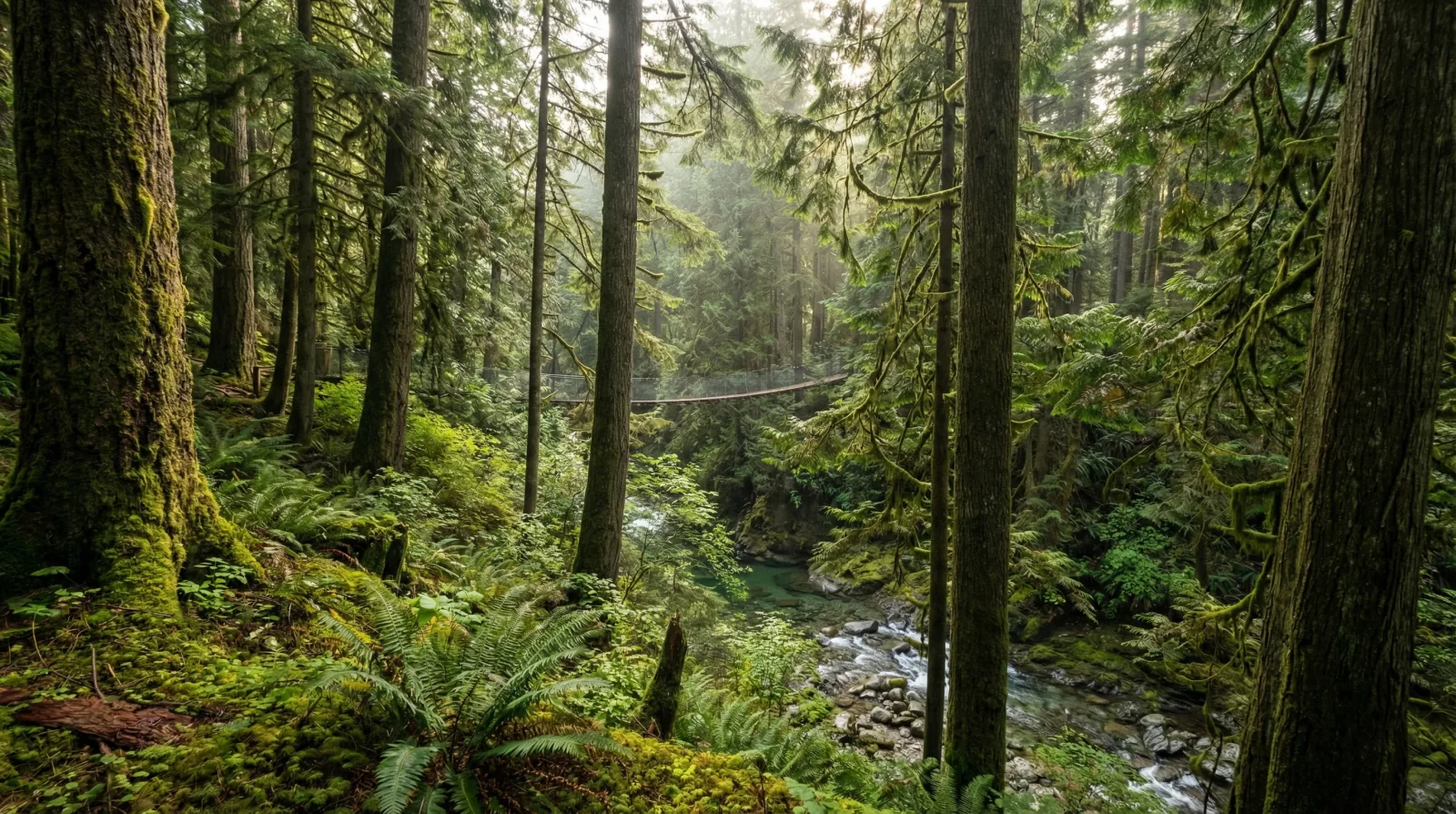
Lynn Valley is named after John Linn, a British Royal Engineer who settled here after 1869. Before it had that name it was known as Shaketown, a working settlement of shake-sided buildings housing lumberjacks and mill workers during the logging era of the late 1800s. The valley was cut over, then slowly grew back, and the second-growth forest you walk through in Lynn Canyon Park today is the result.
Housing arrived in waves. A modest amount before the war, then a large push through the 1960s and 1970s as families moved up from the lower elevations, and infill ever since. That 1960s and 1970s wave is what we spend most of our time renovating.
The town centre at Lynn Valley Road and Mountain Highway was rebuilt in the 2000s as Lynn Valley Village, with the District library branch at its heart. Argyle Secondary was rebuilt too: the original 1960 school was replaced with a new building completed in January 2021 with capacity for 1,300 students. A neighbourhood that reinvests in its schools and its centre is a neighbourhood where renovating an older house makes financial sense.
Slope, daylight basements, and why that saves you money
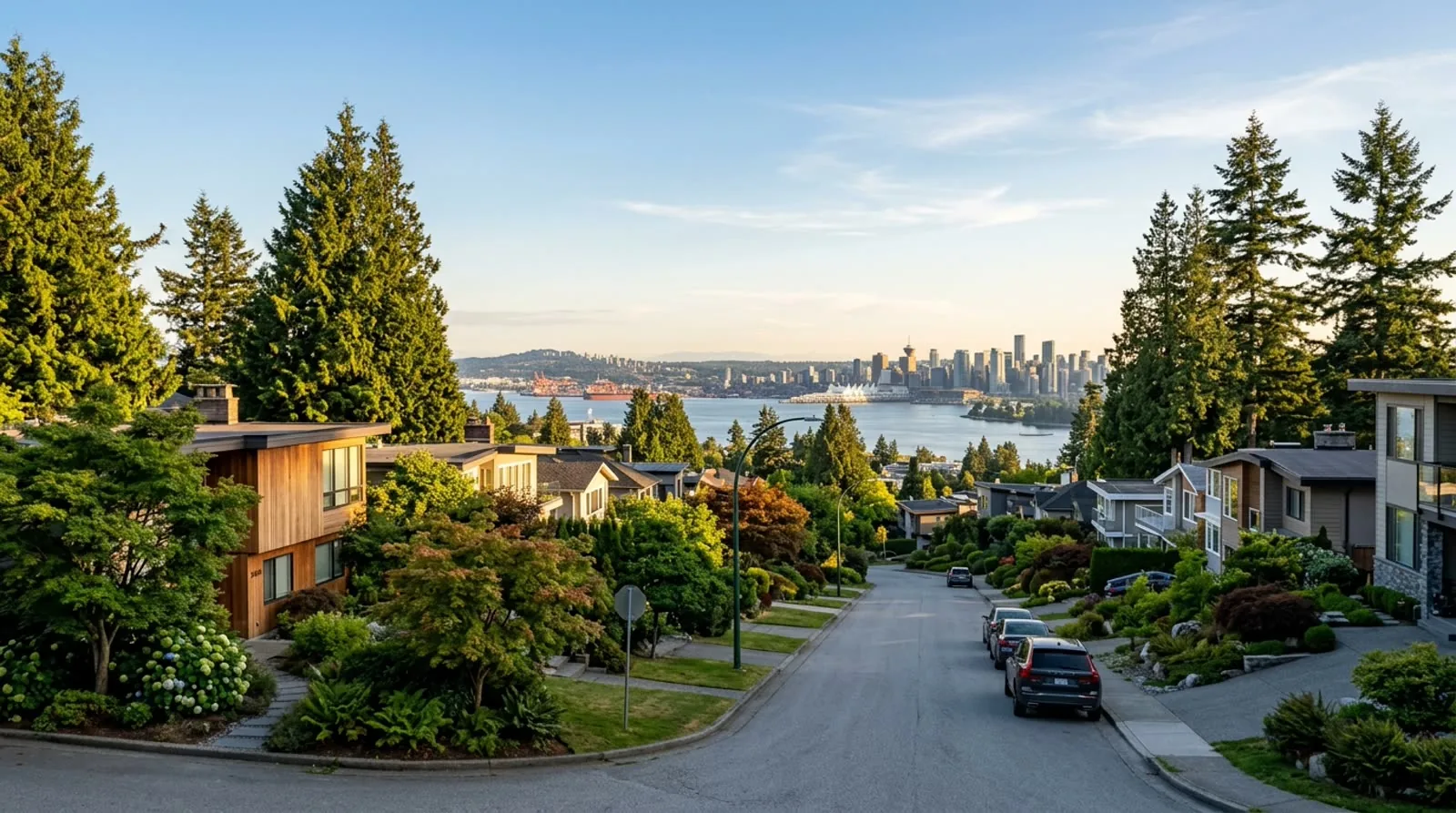
Much of Lynn Valley sits on a gentle to moderate grade running down from the canyon. That works in your favour on a basement project. A daylight basement, where the rear or side of the lower floor is above grade, can often take bedrooms and a suite without cutting a single new egress window into a concrete wall.
That difference is real money. A new egress opening with a lintel, window, well, and drainage tie-in runs $6,500 to $14,000 on the North Shore, and it climbs when the foundation wall is over eight inches thick or the well has to be dug against a retaining wall. A Lynn Valley house with existing daylight windows can skip most of that.
The flip side of the slope is water. Ground water moves through this soil, and perimeter drainage from the 1960s and 1970s is usually clay tile that has silted up or collapsed. Replacing it runs $18,000 to $40,000 depending on access and how much landscaping has to come out and go back. We check drainage before finishing a basement, not after.
Trees, creeks, and the District's environmental setbacks
Lynn Valley lots are green, which is most of the appeal and part of the complication. The District of North Vancouver's tree bylaw protects trees over a certain size, and removing one takes a permit, an arborist assessment, and a replacement plan. Excavating inside the root zone of a protected tree needs an arborist involved even when the tree stays.
Watercourses are the other constraint. Several creeks run through the neighbourhood, and some of them are piped and invisible from the surface. The setback still applies. We check the District's mapping for watercourse setbacks and environmentally sensitive area designations at the feasibility stage, because finding a creek setback after a design is drawn means paying for the design twice.
Services in Lynn Valley
Homeowners in Lynn Valley come to us for kitchen and bathroom renovation, basement conversions and secondary suites, full-home renovation, home additions, and project management. Our base is on the North Shore, and we have worked throughout this neighbourhood.
Frequently asked questions
What condition are most Lynn Valley homes in before renovation?
Most Lynn Valley homes date from the 1960s through early 1980s and often have aluminum wiring, galvanized plumbing, R-12 or R-8 insulation, single-pane windows, and foundations built before modern seismic standards. None of this is unusual for the North Shore, but it means the renovation scope has to account for these starting conditions, not just the visible finishes.
How long does a renovation permit take in Lynn Valley?
Minor renovation permits typically run 4 to 6 weeks under the District of North Vancouver. New construction or major renovations involving structural changes take 4 to 6 months. If your project involves excavation near mature trees, expect an arborist assessment to be part of the permit package, since the tree protection bylaw applies to most Lynn Valley lots.
Is a basement secondary suite a good investment in Lynn Valley?
It is the second most common project we do in the neighbourhood, after kitchen renovations. Lynn Valley's family-oriented demographics and strong rental demand make legal suites attractive. Many homes here also have daylight basements, so the suite can take bedrooms without cutting new egress windows into concrete, which saves $6,500 to $14,000 per opening. A legal one-bedroom suite runs $70,000 to $150,000 over 10 to 16 weeks.
Will a creek setback affect my Lynn Valley project?
It might, and not always visibly. Several creeks run through Lynn Valley and some are piped underground, so nothing shows on the surface, but the District's watercourse setback still applies. We check the District's mapping for watercourse setbacks and environmentally sensitive area designations during feasibility, because discovering one after drawings are done means paying for the design twice.
Why is Lynn Valley such an active renovation market?
It is a large stock of 1960s to early 1980s homes on good lots, next to Lynn Canyon Park and the Lynn Headwaters trail network, with schools that the community keeps reinvesting in. Argyle Secondary was rebuilt and reopened in January 2021 with capacity for 1,300 students, and the town centre was rebuilt as Lynn Valley Village. Families who want to stay in the neighbourhood renovate rather than move.
What does a whole-home renovation cost in Lynn Valley?
Plan on $150 to $300 per square foot over 6 to 10 months of construction. The starting conditions on this stock are consistent: aluminum branch wiring in some homes, galvanized supply lines, R-8 to R-12 insulation, single-pane windows, and perimeter drainage that has silted up or collapsed. Drainage replacement alone runs $18,000 to $40,000.
How much does it cost to open up a closed-off Lynn Valley kitchen?
A full kitchen replacement in the existing layout runs $65,000 to $110,000 over 8 to 12 weeks. Opening the typical 1970s closed-off kitchen to the living room adds an engineered beam, which runs $9,000 to $38,000 and 2 to 4 extra weeks depending on the span and whether the wall is load-bearing.
What does a ground-level home addition cost in Lynn Valley?
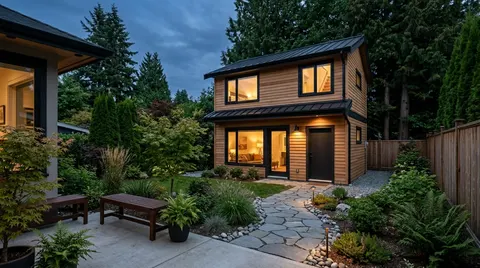
A ground-level addition in Lynn Valley runs $300 to $450 per square foot over 4 to 7 months. Lot coverage and creek setbacks decide whether a rear addition fits at all, and since several Lynn Valley creeks are piped and invisible from the surface, the setback still applies even when there is no visible watercourse on the property.