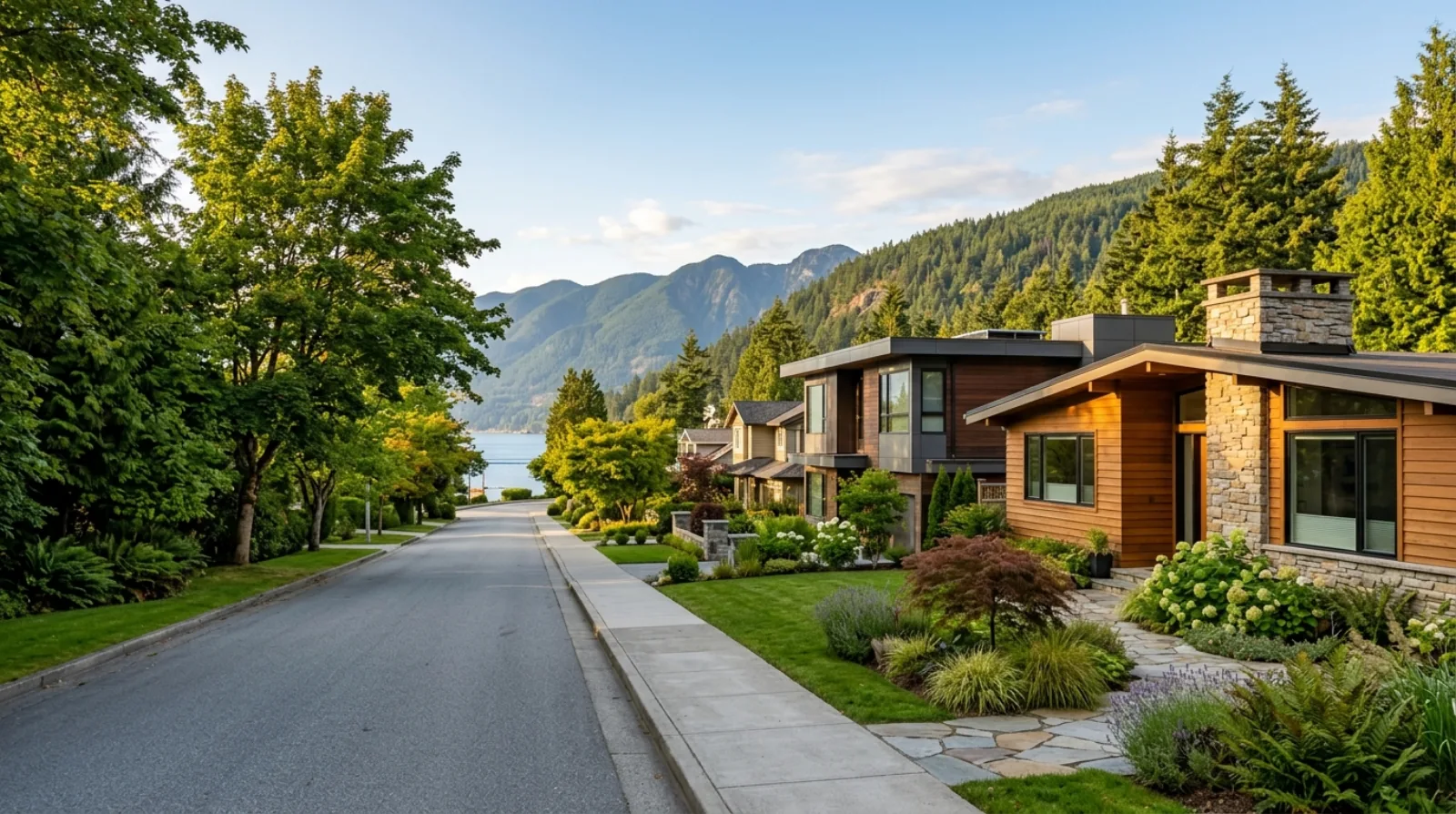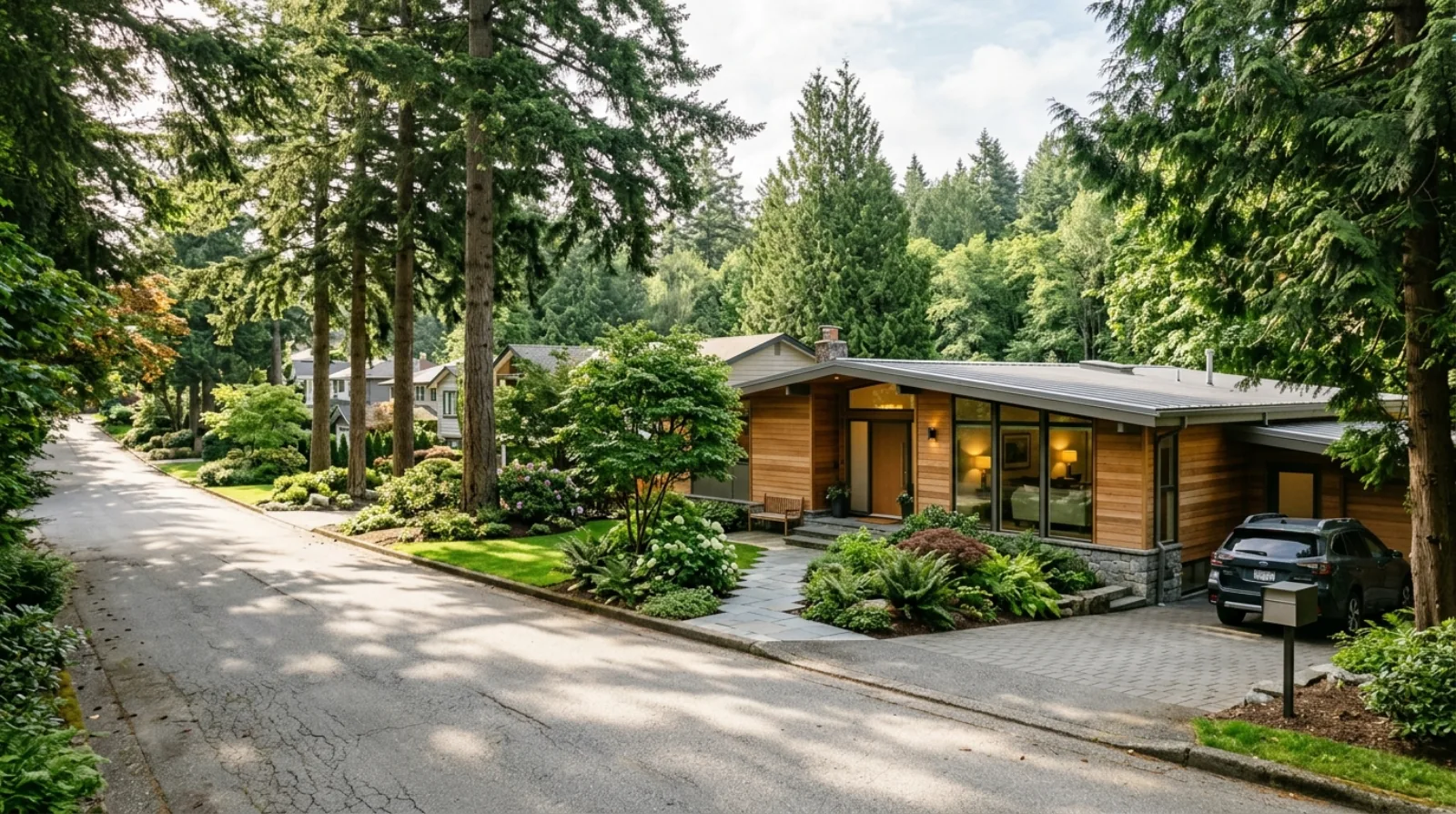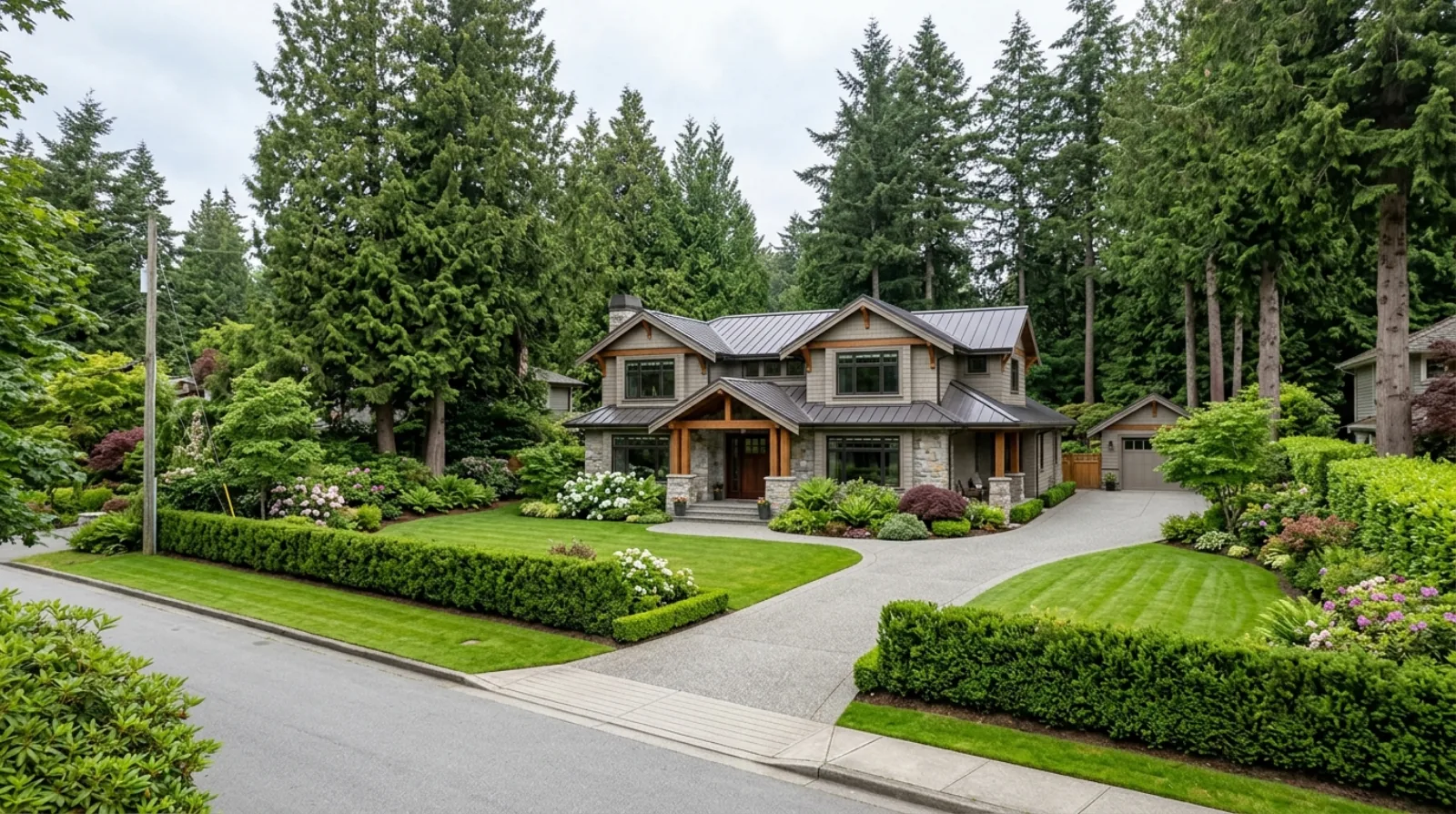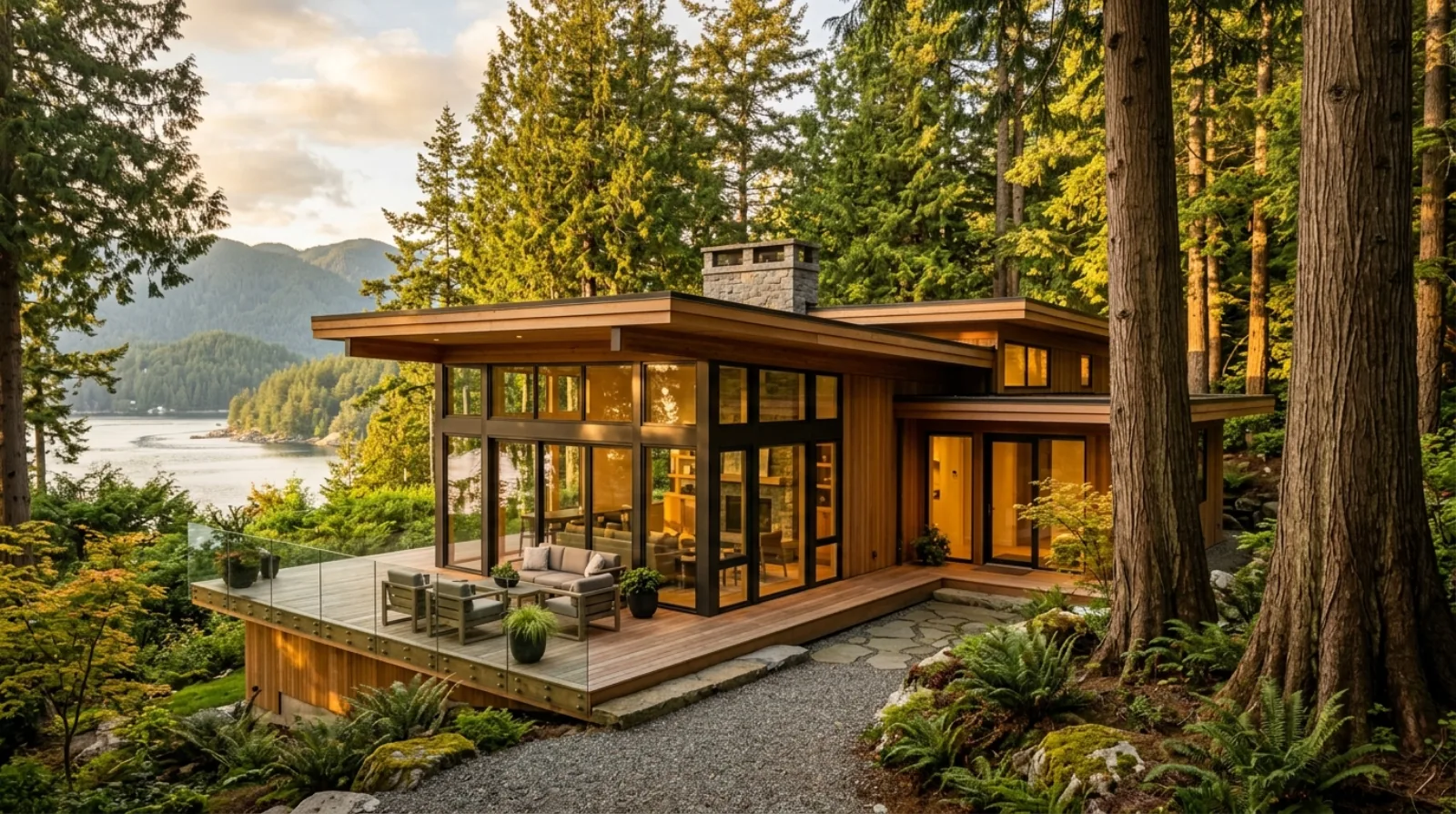

West Vancouver's first neighbourhood
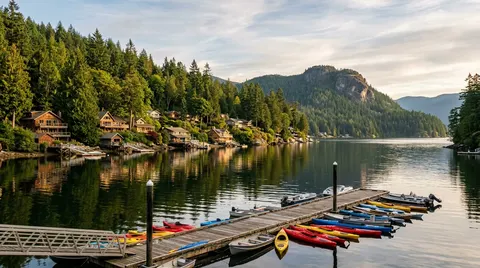
Dundarave was established in the early 1900s, decades before the Lions Gate Bridge opened in 1937, when the only practical way over from Vancouver was by boat. It began as a summer colony: by the early 1920s there were about 300 permanent residents, swelling to roughly 1,000 in the warm months. The pier is the original ferry landing, and the grid of streets that filled in around it makes Dundarave one of the few parts of West Vancouver that predates the automobile as the organizing idea.
The village has been deliberately kept. After Park Royal opened in 1950 and pulled retail east, Dundarave went through a long revitalization, and by 1988 the 2400 block of Marine Drive had its new sidewalks, street trees, planters, and the old-fashioned lamps that still define it. A walkable village core two blocks from a sandy beach is why owners here renovate rather than move. You cannot buy this streetscape anywhere else on the North Shore.
Cottage bones under character homes
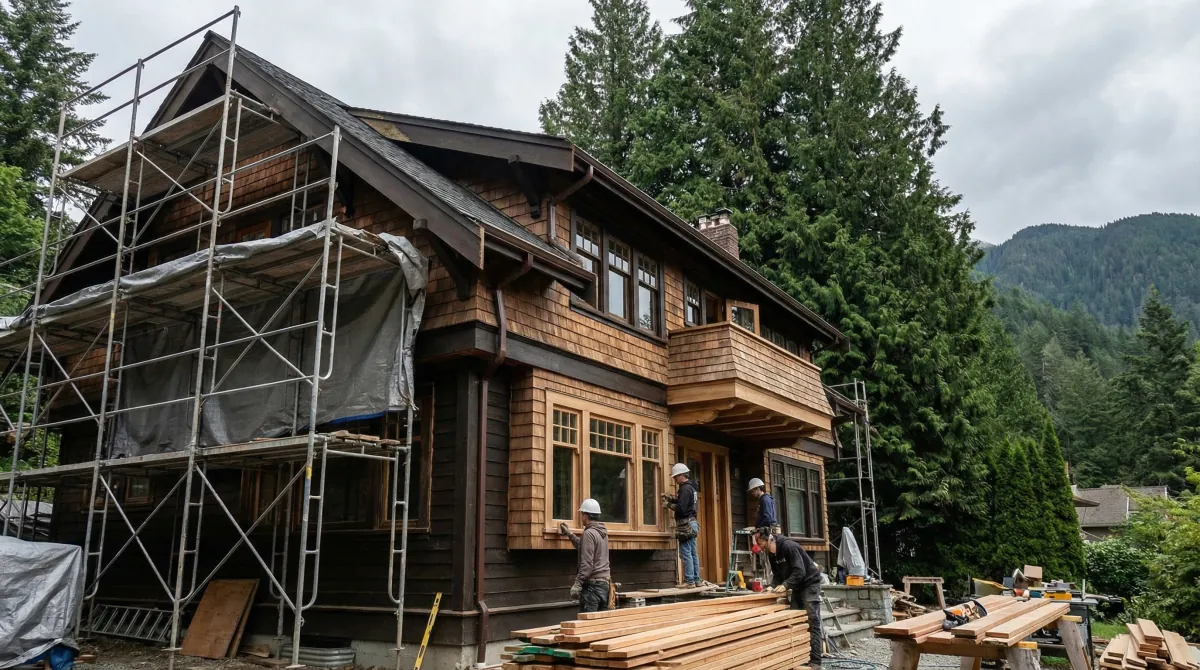
The oldest Dundarave houses started as summer cottages, and a century of winterizing, adding on, and modernizing sits on top of those original bones. When we open one up we expect the full archaeology: undersized early framing next to 1960s additions, several generations of wiring, and floor structures that were never meant to carry what is on them now. The houses that came later, through the 1940s to 1970s, are more conventional but carry the standard era problems: no rain screen behind the cladding, minimal insulation, original plumbing and electrical at end of life.
Lots here average around 8,000 square feet, larger than Ambleside's, and many slope gently south toward the water. That south slope is an asset for light and views and a liability for drainage, because everything uphill of you drains through. Perimeter drainage and proper surface water management are part of nearly every major Dundarave renovation we price.
The market reflects what the streets offer. Dundarave listings averaged around $5.4 million in 2026, well above the West Vancouver detached benchmark of roughly $3 million, which is one more reason owners invest in the house they have rather than trading it.
Renovating a character home without losing it
West Vancouver takes heritage seriously in a specific, practical way. The District's Community Heritage Register lists 50 properties recognized for heritage value, and for houses with real significance the District negotiates Heritage Revitalization Agreements: legally binding deals that can allow extra floor area, zoning variances, or even subdivision in exchange for permanent conservation of the original home. Several character homes in the Dundarave area have been saved exactly this way.
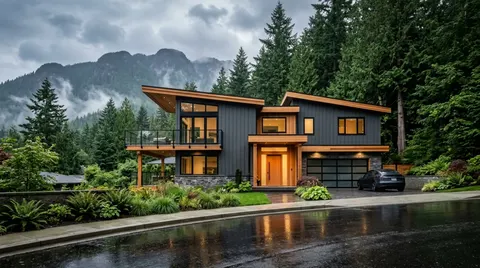
For most owners the question is simpler: how do you modernize a 1920s or 1940s house without stripping what makes it worth owning? Our answer is to draw a hard line between what the street sees and what the family lives in. Original siding profiles, window proportions, and rooflines stay or get replicated properly. Behind them, the envelope gets rebuilt to current standards, the structure gets corrected, and the systems get replaced entirely.
That approach costs more than a gut-and-drywall job, and it is worth being honest about where the money goes. Matching heritage trim profiles, sourcing true divided-lite windows that still meet energy requirements, and framing around original features all take hours that a standard renovation does not. On the oldest Dundarave houses we price character retention as its own scope line so the owner can see exactly what keeping the house's face costs.
Building conditions near the water
The two blocks closest to the shoreline live in a marine environment, and the buildings show it. Salt air corrodes standard galvanized fasteners, pits aluminum window frames, and works on every exposed metal connection. On exterior rebuilds near the water we specify stainless steel fasteners and marine-grade hardware, the same discipline we apply on coastal work in Deep Cove, because replacing a deck structure in twelve years costs far more than the better fasteners did.
Wind exposure matters here in a way it does not a few streets uphill. The waterfront edge along the Centennial Seawalk takes weather straight off the Strait, so flashing details, cladding fastening schedules, and door and window selection all get specified for exposure rather than copied from an inland detail. It is not exotic work. It just has to be deliberate.
Permits run through the District of West Vancouver, and the standard cautions apply: interior work moves reasonably, envelope and footprint changes can take several months, and the tree bylaw catches mature planting at a 20 centimetre threshold in a development context. Older Dundarave gardens are full of century-old trees, and we map them before design starts.
The village, the pier, and why people stay
Dundarave Park has more than 50 metres of wide sandy beach, and the Centennial Seawalk runs 1.7 kilometres from the park to the foot of 18th Street, which means much of the neighbourhood walks to the water daily. Irwin Park Elementary sits in the middle of the neighbourhood with around 396 students, and its catchment runs from 21st Street west toward West Bay. West Vancouver Secondary on Mathers Avenue takes the older kids.
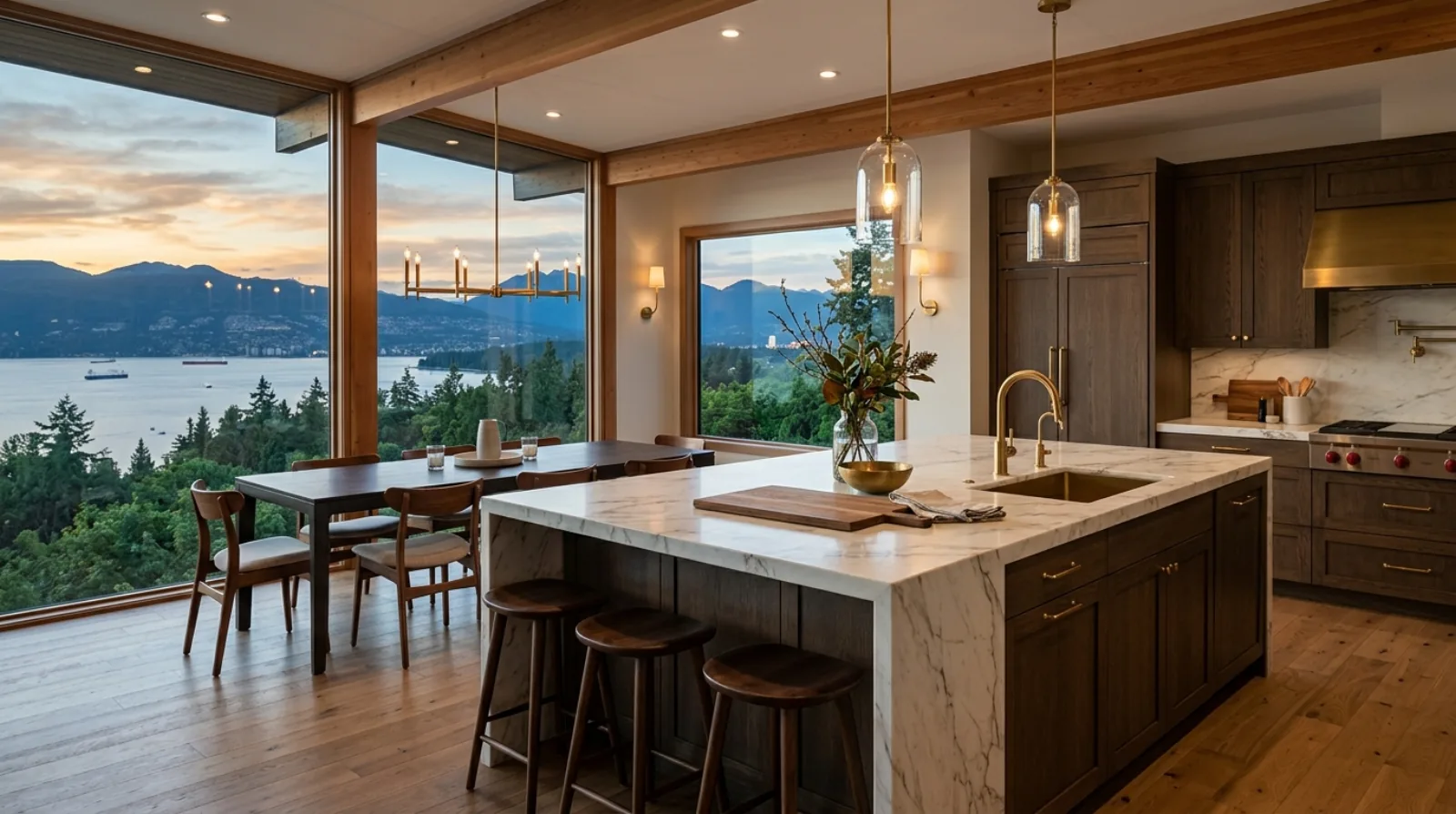
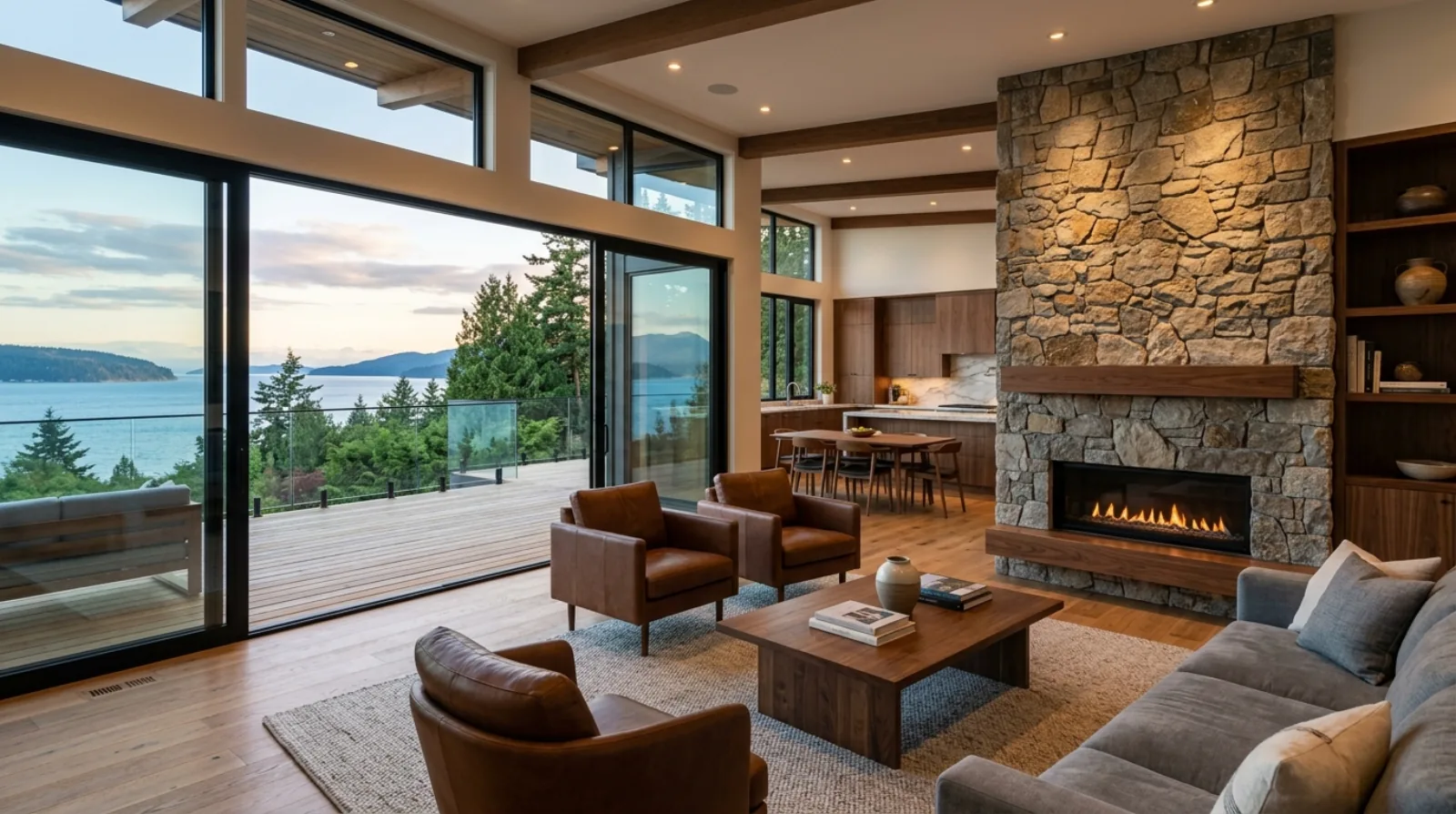
For a renovation client, all of that adds up to a simple brief we hear over and over: the location is permanent, the house is not. Kitchens, primary ensuites, and whole-home projects dominate our Dundarave work, usually on houses whose owners have no intention of ever selling.
Services in Dundarave
In Dundarave we take on character home renovation, whole-home projects, kitchens, bathrooms, additions behind existing street frontages, envelope and deck rebuilds with coastal specification, renovation design, and project management. We manage the full District of West Vancouver permit cycle, including heritage conversations where a property calls for one.
Frequently asked questions
Why are the oldest Dundarave homes more complicated to renovate than they look?
Because many of them started as summer cottages. Dundarave began in the early 1900s as a summer colony with about 300 permanent residents by the 1920s, and a century of winterizing and adding on sits over those original structures. Opening one up typically reveals undersized early framing beside later additions, several generations of wiring, and floors never designed for current loads.
Can I get extra density for preserving a character home in Dundarave?
Possibly, through a Heritage Revitalization Agreement with the District of West Vancouver. An HRA is a legally binding agreement that can allow extra floor area, zoning variances, or even subdivision in exchange for permanent conservation of the original home, and character homes in the Dundarave area have been saved this way. It only applies to properties with genuine heritage value, so the first step is an honest assessment.
How many properties are on West Vancouver's heritage register?
The District of West Vancouver's Community Heritage Register lists 50 properties formally recognized for heritage value. Being on the register changes how a renovation is reviewed, and for significant homes it opens the door to Heritage Revitalization Agreement incentives. Most Dundarave character homes are not listed, but we confirm status before design starts on anything pre-war.
What does a whole-home renovation cost in Dundarave in 2026?
Plan on $250 to $350 per square foot, and past that on the oldest cottage-era houses, over 8 to 16 months. Character retention is the added cost driver here: matching trim profiles, replicating window proportions with units that meet energy code, and framing around original features all take hours a standard gut renovation does not. We price that scope as its own line so owners see what keeping the house's face costs.
Does being near the Dundarave waterfront change how a renovation is built?
Within the first couple of blocks of the shoreline, yes. Salt air corrodes standard galvanized fasteners and pits aluminum frames, so exterior rebuilds get stainless steel fasteners and marine-grade hardware. Wind exposure along the Centennial Seawalk edge also means flashing and cladding details are specified for weather straight off the Strait, not copied from an inland assembly.
How big are Dundarave lots, and does the slope matter?
Lots average around 8,000 square feet, and many slope gently south toward the water. The slope gives you light and views, but it also means everything uphill drains through your property, so perimeter drainage and surface water management are part of nearly every major renovation we price here. It is gentler ground than upper West Vancouver, but it is not flat.
Which schools serve Dundarave?
Irwin Park Elementary, a K to 7 school with around 396 students, sits in the middle of the neighbourhood, with a catchment running from 21st Street west toward the West Bay Elementary boundary. West Vancouver Secondary at 1750 Mathers Avenue takes grades 8 to 12. Both are part of School District 45, West Vancouver Schools.
Do Dundarave renovation permits take longer than other West Vancouver projects?
The same District of West Vancouver process applies: interior work moves reasonably, while envelope, footprint, or slope-related scope can take several months. What is specific to Dundarave is the added heritage conversation on pre-war houses and the tree bylaw's 20 centimetre development threshold, which catches many of the century-old trees in older gardens here. We map trees and confirm heritage status before drawings are commissioned.
Why do Dundarave owners renovate instead of selling and moving?
Because the location cannot be replaced and the market prices that in. Dundarave listings averaged around $5.4 million in 2026, well above the West Vancouver detached benchmark of roughly $3 million, and the village, the pier, the sandy beach at Dundarave Park, and the Centennial Seawalk are all within a short walk. The brief we hear most is that the location is permanent and the house is not.
What is the history behind the Dundarave pier?
The pier at the foot of 25th Street sits where the neighbourhood's original ferry landing was, from the era before the Lions Gate Bridge opened in 1937 when the only practical way across from Vancouver was by boat. Dundarave was West Vancouver's first established neighbourhood, and the streets filled in around that landing. The village core on the 2400 block of Marine Drive still reflects that pre-automobile layout.
Can RealDream match original trim and windows on a character home?
Yes, and we budget for it honestly. Matching heritage trim profiles and sourcing divided-lite windows that still meet current energy requirements takes sourcing time and bench hours that standard replacements do not, which is part of why envelope renewal on a Dundarave character home runs $80,000 to $220,000. The street face stays or gets replicated properly; behind it, the envelope and systems are rebuilt to current standards.