


The short answer
In RealDream Contracting's schedule for a 2,500 square foot North Vancouver home gutted to the studs, a full renovation runs 36 to 38 weeks once permits are in hand. A bathroom takes 4 to 6 weeks, a kitchen with layout changes 8 to 14 weeks, and a permitted basement 10 to 16 weeks. Custom new builds run 12 to 18 months. Scope changes and material lead times cause most delays beyond these timelines.
Timelines by project type
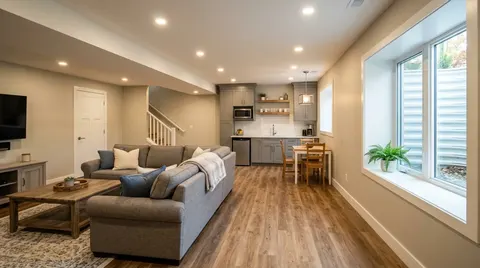
A bathroom renovation (gut to completion) takes 4 to 6 weeks on the North Shore if the scope is straightforward: same footprint, no structural changes, no waterproofing surprises behind the tile. A kitchen remodel with layout changes runs 8 to 14 weeks. Basements that need a building permit (and on the North Shore, they almost always do) take 10 to 16 weeks from demolition to final inspection.
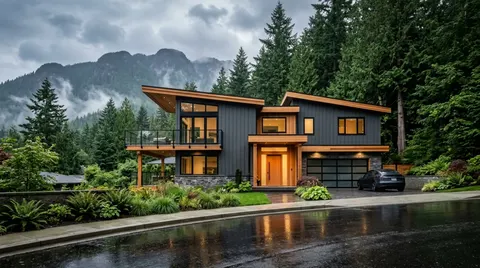
Full-home renovations are a different animal. If you're gutting a 2,500-square-foot home in Lynn Valley or Edgemont and touching structure, mechanical, electrical, and envelope, expect 6 to 10 months of construction. Custom new builds on the North Shore run 12 to 18 months from breaking ground, depending on complexity and site conditions.
These timelines assume permits are already in hand. And that's where most homeowners underestimate the schedule.
| Project type | Timeline |
|---|---|
| Bathroom renovation (straightforward scope) | 4 to 6 weeks |
| Kitchen remodel with layout changes | 8 to 14 weeks |
| Basement with building permit | 10 to 16 weeks |
| Full-home renovation | 6 to 10 months |
| Custom new build | 12 to 18 months |
Week by week through a full home renovation
Here is what a substantial whole-home renovation actually looks like on the calendar. This assumes a 2,500 square foot North Shore home built in the 1970s, gutted to the studs, with all systems replaced and some layout change but no addition. Permits are in hand at week one.
The weeks that look empty are not. Weeks 14 through 22 are when cabinetry, tile, windows, and appliances are being fabricated and shipped while trades work around them. A schedule that shows nothing happening in that window is a schedule that has not accounted for lead times.
| Weeks | Stage |
|---|---|
| 1 to 2 | Site protection, containment, hazardous materials abatement if required, disposal setup |
| 2 to 5 | Demolition to the studs, removal of old mechanical and electrical, disposal |
| 5 to 6 | Structural investigation now that everything is visible, engineer site visit, revised structural details if needed |
| 6 to 9 | Structural work: beams, posts, new footings, seismic bolting and cripple wall bracing, any foundation repair |
| 9 to 13 | Framing changes, new window and door openings, exterior work if the envelope is being upgraded |
| 12 to 17 | Plumbing, electrical, and HVAC rough-in, all three running in overlapping sequence |
| 17 to 18 | Rough-in inspections across building, plumbing, and electrical; inspector availability governs this |
| 18 to 20 | Insulation, air barrier, and mid-construction blower door test if the project is subject to the Step Code |
| 20 to 24 | Drywall hung, taped, and finished; priming and first paint |
| 24 to 27 | Flooring, interior doors, and trim |
| 26 to 30 | Cabinetry installation, countertop template, a two to three week fabrication gap, then countertop install |
| 30 to 34 | Tile, backsplash, plumbing fixtures, electrical trim, lighting, appliances |
| 34 to 36 | Final paint, hardware, final inspections across all permits |
| 36 to 38 | Deficiency walkthrough and completion of the list |
Where the weeks actually go
Reading that list, the surprise for most homeowners is how little of the schedule is the part they can see. Demolition and structural work is roughly a quarter of the calendar and produces nothing visible except a house in worse condition than when you started.
The other surprise is how much of the schedule is inspections and waiting. Rough-in inspections alone can absorb a week or more depending on municipal availability, and they are a hard gate: nothing gets covered until the inspector signs. Building a schedule that assumes same-week inspection availability is how a project slips a month without anyone doing anything wrong.
And the countertop gap in weeks 28 to 30 is unavoidable. Counters cannot be templated until cabinets are installed and level, and fabrication takes 10 to 20 days after that. Every kitchen in every renovation has this gap. Knowing it is coming is the difference between a planned pause and a perceived delay.
Permit processing: City vs District
North Vancouver has two separate municipal jurisdictions (the City of North Vancouver and the District of North Vancouver) and their permit timelines are different. The City typically processes residential building permits in 6 to 10 weeks for straightforward projects. The District tends to run longer, especially for properties in areas with steep slopes, creeks, or environmental covenants. District permits for anything involving structural work or new square footage can take 10 to 16 weeks.
Development permits add another layer. If your property is in a Development Permit Area (and much of the District is, particularly near waterways or on slopes above 20%), you need DP approval before the building permit is even submitted. That alone can add 8 to 12 weeks to the front end of your project.
We always tell clients to think of permitting as Phase 1 of the renovation. It's not the boring paperwork before the fun starts. It's the part that determines whether you break ground in May or September.
What actually causes delays
In 20-plus years of building on the North Shore, the most common delay we see is scope changes during construction. A homeowner opens a wall and decides they want to relocate the powder room. That decision triggers a permit revision, a plumbing reroute, and a cascade of changes to the schedule. One mid-project scope change can add 3 to 6 weeks easily.
Material lead times are the second biggest cause. Custom windows from European manufacturers run 12 to 16 weeks. Custom cabinetry from local shops is 6 to 10 weeks. If those aren't ordered during the permit phase, the project stalls while everyone waits for product.
- Permit revisions for scope changes: 2-6 weeks added
- Custom window lead times: 12-16 weeks from order
- Custom cabinetry lead times: 6-10 weeks from order
- Specialty tile and fixtures (European imports): 8-14 weeks
- Weather delays (concrete, roofing, exterior work): 1-3 weeks in fall/winter
Seasonal considerations on the North Shore
North Vancouver gets 1,500 to 1,800 mm of rain per year, and most of it falls between October and March. That matters if your renovation involves roofing, siding, foundation work, or anything with the building envelope open. Pouring a foundation in January isn't impossible, but it's slower and more expensive. You're fighting rain, short daylight hours, and cold cure times for concrete.
The best window for starting exterior-heavy work is April through September. Interior-only renovations (kitchens, bathrooms, basement finishing) can run year-round without much weather impact. But even interior projects get indirectly affected in winter: trades are busier because everyone is trying to stay inside, and scheduling a plumber or electrician takes longer.
Spring is the most popular time for homeowners to start projects, which means permit applications spike in January and February. If you're planning a spring start, get your drawings submitted before Christmas. That single decision can save you two months of waiting.
How to keep your project on schedule
The projects that finish on time share a few things in common. The design is finalized before the permit goes in, not 80% finalized, fully finalized. Materials with long lead times are ordered during permitting, not after. And the homeowners make decisions quickly when questions come up during construction.
A good general contractor builds a detailed construction schedule and updates it weekly. You should be getting regular progress updates and advance notice of upcoming decisions. If your contractor can't tell you what's happening next week, that's a red flag, not a scheduling style.
One more thing: if you're living in the home during the renovation, add 10-15% to the timeline. Working around occupied spaces is slower. Dust containment takes time. And there are hours of the day we can't run loud tools without making your life miserable. For whole-home renovations, moving out for the duration almost always results in a faster, cheaper project.
Frequently asked questions
How long does a home renovation take in North Vancouver?
It depends on the project. A bathroom renovation takes 4 to 6 weeks with a straightforward scope. A kitchen remodel with layout changes runs 8 to 14 weeks. Basements needing a permit take 10 to 16 weeks. Full-home renovations run 6 to 10 months, and custom new builds run 12 to 18 months. These timelines assume permits are already in hand.
How long does it take to get a building permit in North Vancouver?
The City typically processes residential building permits in 6 to 10 weeks for straightforward projects. The District tends to run longer, especially for properties with steep slopes, creeks, or environmental covenants, where structural work or new square footage can take 10 to 16 weeks. If your property is in a Development Permit Area, add another 8 to 12 weeks before the building permit is even submitted.
What causes the most delays in a North Vancouver renovation?
Scope changes during construction are the most common cause. A homeowner deciding mid-project to relocate a powder room, for example, triggers a permit revision and a plumbing reroute that can add 3 to 6 weeks. Material lead times are the second biggest cause: custom windows run 12 to 16 weeks and custom cabinetry runs 6 to 10 weeks if not ordered early.
Does living in the house during a renovation slow it down?
Yes. If you stay in the home during construction, add 10 to 15% to the timeline. Working around occupied spaces is slower because of dust containment and limits on when loud tools can run. For whole-home renovations, moving out for the duration almost always results in a faster, cheaper project.
Is there a best time of year to start a renovation in North Vancouver?
April through September is the best window for exterior-heavy work, since North Vancouver gets 1,500 to 1,800 mm of rain a year, mostly between October and March. Interior-only projects like kitchens and bathrooms can run year-round. If you want a spring start, submit your drawings before Christmas, since permit applications spike in January and February.
How many weeks does it take to gut and rebuild a 2,500 square foot North Shore home?
A 2,500 square foot 1970s North Shore home gutted to the studs, with all systems replaced and some layout change but no addition, runs 36 to 38 weeks on our sample schedule. That assumes permits are in hand at week one. The final two weeks go to the deficiency walkthrough and completing the list.
Why does nothing visible happen in weeks 14 to 22 of a full home renovation?
Weeks 14 to 22 are when cabinetry, tile, windows, and appliances are being fabricated and shipped while trades work around them. Those weeks look empty on a schedule, but they are not. A schedule that shows nothing happening in that window is a schedule that has not accounted for lead times.
How long do rough-in inspections hold up a North Vancouver renovation?
Rough-in inspections across building, plumbing, and electrical can absorb a week or more depending on municipal inspector availability, and they are a hard gate: nothing gets covered until the inspector signs. Building a schedule that assumes same-week inspection availability is how a project slips a month without anyone doing anything wrong.
When do countertops go in during a renovation, and why is there a gap after the cabinets?
In a full home renovation, cabinets go in around weeks 26 to 30, followed by a two to three week countertop gap. Counters cannot be templated until cabinets are installed and level, and fabrication takes 10 to 20 days after that. Every kitchen in every renovation has this gap, so knowing it is coming makes it a planned pause instead of a perceived delay.
Which North Vancouver properties need a development permit before the building permit?
Properties in a Development Permit Area, which covers much of the District of North Vancouver, particularly near waterways or on slopes above 20%. DP approval is required before the building permit is even submitted, and that step alone can add 8 to 12 weeks to the front end of a project.
Can you pour a foundation in North Vancouver in January?
It is possible, but slower and more expensive. You are fighting rain, short daylight hours, and cold cure times for concrete, and weather delays on concrete, roofing, and exterior work add 1 to 3 weeks in fall and winter. Exterior-heavy work is better started between April and September.
Related service
Home Renovation
See how we handle home renovation projects across the North Shore.
Learn about home renovationRelated articles